Holi in Delhi 2026: what shuts, what it costs and where to stay
Colour play runs from about 9am to 1pm on 4 March 2026, the city closes almost completely for six hours, and organised hotel parties run ₹1,500 to ₹4,000 a head with brunch.
The two dates, and how the day actually runs
Holika Dahan is the evening of 3 March 2026: neighbourhood bonfires lit after sunset at crossroads in Karol Bagh, Lajpat Nagar, Rohini and the older parts of south Delhi, with people circling the fire and throwing in grain. It is quiet, communal and worth walking out for if your hotel is in a residential area rather than a commercial one. Nothing shuts. Traffic thickens after 7pm around the larger bonfires because they occupy road junctions.
The colour, Dhulandi, is the morning of 4 March. Realistically it starts around 8.30am, peaks between 10am and noon, and is finished by about 1.30pm, after which the entire city goes home, showers, eats and sleeps. By 5pm the streets are cleaner than usual and half of Delhi is horizontal. That six-hour window is the whole event. Anyone who plans to sightsee that morning has wasted a day; anyone who plans to sightsee that afternoon gets monuments that are as empty as they ever get.
What is closed, and how badly
Almost everything, until mid-afternoon. Markets from Chandni Chowk to Sarojini Nagar to Khan Market shut, standalone restaurants close or open only for dinner, street food carts vanish, and most small shops do not lift shutters at all on the 4th. Metro trains run but with reduced frequency in the morning and thinner staffing. Cabs are the real problem: driver availability collapses and surge multipliers of two to three times are normal, so a ₹300 ride to Hauz Khas becomes ₹800 and may take twenty minutes to accept.
The corollary is that your hotel becomes your infrastructure for the day. Before booking, confirm three things: that the in-house restaurant serves on Holi morning, that room service runs, and whether the property hosts or hosts nothing at all. Budget guesthouses in Paharganj typically shut their kitchens and leave you to it. Four- and five-star hotels in Aerocity, Chanakyapuri and the south all run full food operations because they are selling Holi brunches anyway. If you are on a tight budget, buy fruit, bread and water on the 3rd.
Where to play, ranked by how much you want to control
The safest and least memorable option is your hotel lawn. Big properties run contained Holi events with dry organic colour, a rain dance area, a buffet and often a bar, typically ₹1,500 to ₹4,000 a head, children sometimes half. You know exactly what is being thrown at you, you can leave at any point, and you walk twenty metres to a shower. For solo women travellers and families with small children this is the option I would actually book, and it is worth choosing a hotel in March specifically for whether it runs one.
One step up in energy are the ticketed events at farmhouse venues in the Chhatarpur belt and around Vasant Kunj, ₹1,800 to ₹5,000 with music, food stalls and organised colour, plus a long taxi ride at surge pricing. The most authentic option is playing in a residential colony where you have been invited by someone who lives there, which is a wholly different and much warmer experience. What I would skip entirely is wandering into anonymous street play as an obvious outsider, particularly after 11am when a proportion of participants have been drinking bhang since breakfast.
Mathura and Vrindavan: the week before, not the day itself
The Braj region, 150km south on the Yamuna Expressway, celebrates for a fortnight rather than a morning. Lathmar Holi at Barsana and Nandgaon falls roughly a week before the main date, so around 26 to 28 February 2026, and is the visually extraordinary version: women driving men off with sticks, colour in the temple courtyard, thousands packed onto rooftops. Vrindavan's Banke Bihari temple and the widows' Holi at Gulal Kund draw similar crowds. Confirm exact days locally, because the schedule varies by temple.
Do it as a very long day trip, leaving Delhi by 5am, rather than staying over. Rooms in Vrindavan and Mathura that ask ₹1,500 in a normal week go to ₹4,000 to ₹7,000 during Holi week and are basic at any price; the town gridlocks; and parking is a kilometre-plus walk from the temples. A private car with driver for the day runs about ₹5,500 to ₹8,000 including the expressway toll, which is the right way to do it. Do not attempt Vrindavan on the main Holi morning itself, when access is effectively impossible.
What to wear, carry and put on your skin
Clothes you will throw away, white if you want the photographs, and closed shoes rather than sandals because wet colour on tile is treacherous. Oil your hair and rub coconut or mustard oil into exposed skin before you go out; it is the single thing that makes the colour come off in one shower rather than three days. Sunglasses protect eyes from powder better than nothing. Leave the phone in a sealed bag or, better, in the room. Cash in a small waterproof pouch, and no jewellery.
The colours matter. Herbal and organic gulal in dry powder form washes out. The cheap silver and black pastes sold on street corners are chemical, semi-permanent and genuinely unpleasant on the face, and water balloons thrown from balconies hurt. Buy your own dry gulal on the 3rd for ₹40 to ₹100 a packet from any market stall so you are not dependent on whatever is offered to you. Bhang, cannabis-infused thandai, is legal and widely served; it acts slowly and unpredictably, and one glass is a great deal more than most visitors expect.
Hotel rates and the booking window
Holi is a domestic-travel spike more than an international one, and it shows up in the rate calendar as a firm two-night bump rather than a week-long peak. Expect mid-range hotels in Karol Bagh, Connaught Place and Greater Kailash to move from about ₹3,500 to ₹5,000 for the nights of 3 and 4 March, four-stars in Aerocity from ₹8,000 to ₹11,000, and the party-hosting five-stars to price rooms with reference to the brunch demand. Paharganj rises less, ₹1,200 to ₹2,200, but its kitchens close.
Book four to five weeks out and pick your area for one criterion: can you walk home covered in colour. Playing in Chhatarpur and staying in Paharganj means an hour in a cab you may not get. Staying in Hauz Khas, Greater Kailash or Saket puts you within a short ride of most organised events and inside a residential grid where Holi is happening on your doorstep. Aerocity is the wrong choice for Holi specifically: it is a hotel island with no neighbourhood around it.
The day after, which nobody plans for
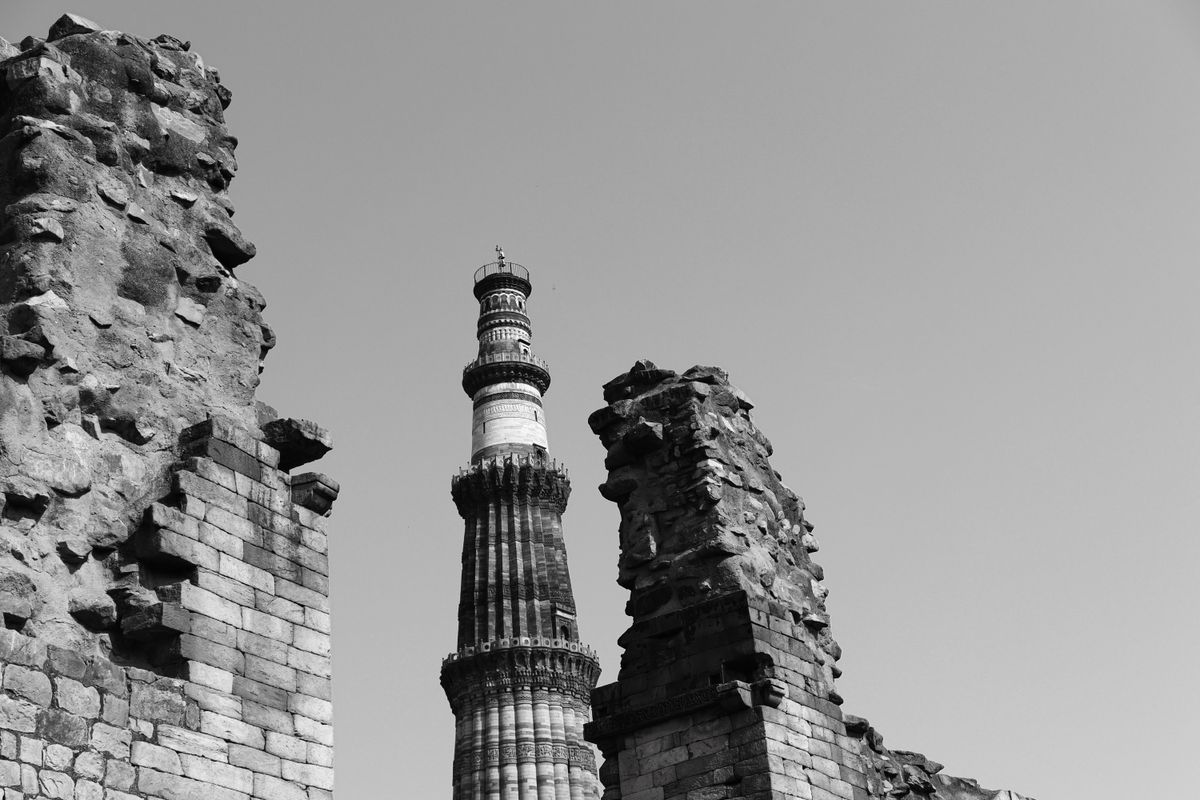
5 March is one of the best sightseeing days in the Delhi calendar. The city is sluggish, offices are half-empty, roads are clear, and monuments that would normally hold a thousand people hold two hundred. Humayun's Tomb at 9am, Qutub Minar mid-morning, the Red Fort without the school groups. Shops reopen through the morning, so plan retail for the afternoon rather than 10am. Weather at that point in March sits around 29 to 32°C by day, dry and bright, which is close to the annual optimum.
There is a residue: colour on pavements and on people for a couple of days, and a proportion of restaurant and shop staff away on leave until the 6th. If you have a fixed three-night trip, the intelligent shape is arrive on the 2nd, walk Old Delhi on the 3rd, play on the morning of the 4th and sleep it off, then use the 5th for monuments. That sequence gets you the festival and the sightseeing without wasting a day on either side.
Questions, answered
Is Holi safe for solo women travellers in Delhi?
Street play is not something I would recommend to a solo woman visitor; groping under cover of colour is a real and well-documented problem, and it worsens after 11am. A ticketed hotel or venue party with entry control, at ₹1,500 to ₹4,000, gives you the whole experience with staff, security and a locked room upstairs. That is the version to book.
Will restaurants and shops be open on Holi day?
Not in the morning. Markets, standalone restaurants and street stalls stay shut until roughly mid-afternoon on 4 March, and many small shops skip the day entirely. Hotel restaurants at three-star level and above generally serve throughout. Buy water, fruit and snacks on the 3rd so you are not hunting for breakfast at 10am.
Should I go to Vrindavan for Holi instead of staying in Delhi?
Go for Lathmar Holi at Barsana around 26 to 28 February, as a day trip leaving Delhi by 5am with a car and driver at ₹5,500 to ₹8,000. Do not go on the main Holi day, and do not stay overnight: rooms triple to ₹4,000 to ₹7,000, the town gridlocks, and temple queues run past two hours.
How do I get the colour off?
Oil skin and hair before you play, then wash with cool water first, since hot water sets some dyes. Dry organic gulal comes off in one or two washes. The silver and black chemical pastes can linger three or four days on the face. Fingernails and hairline hold colour longest, so consider gloves if you have an event afterwards.
Doing good is the business: every booking through Stay New Delhi funds one verified tonne of carbon removal — same room, same price, no markup.
Start Your Search