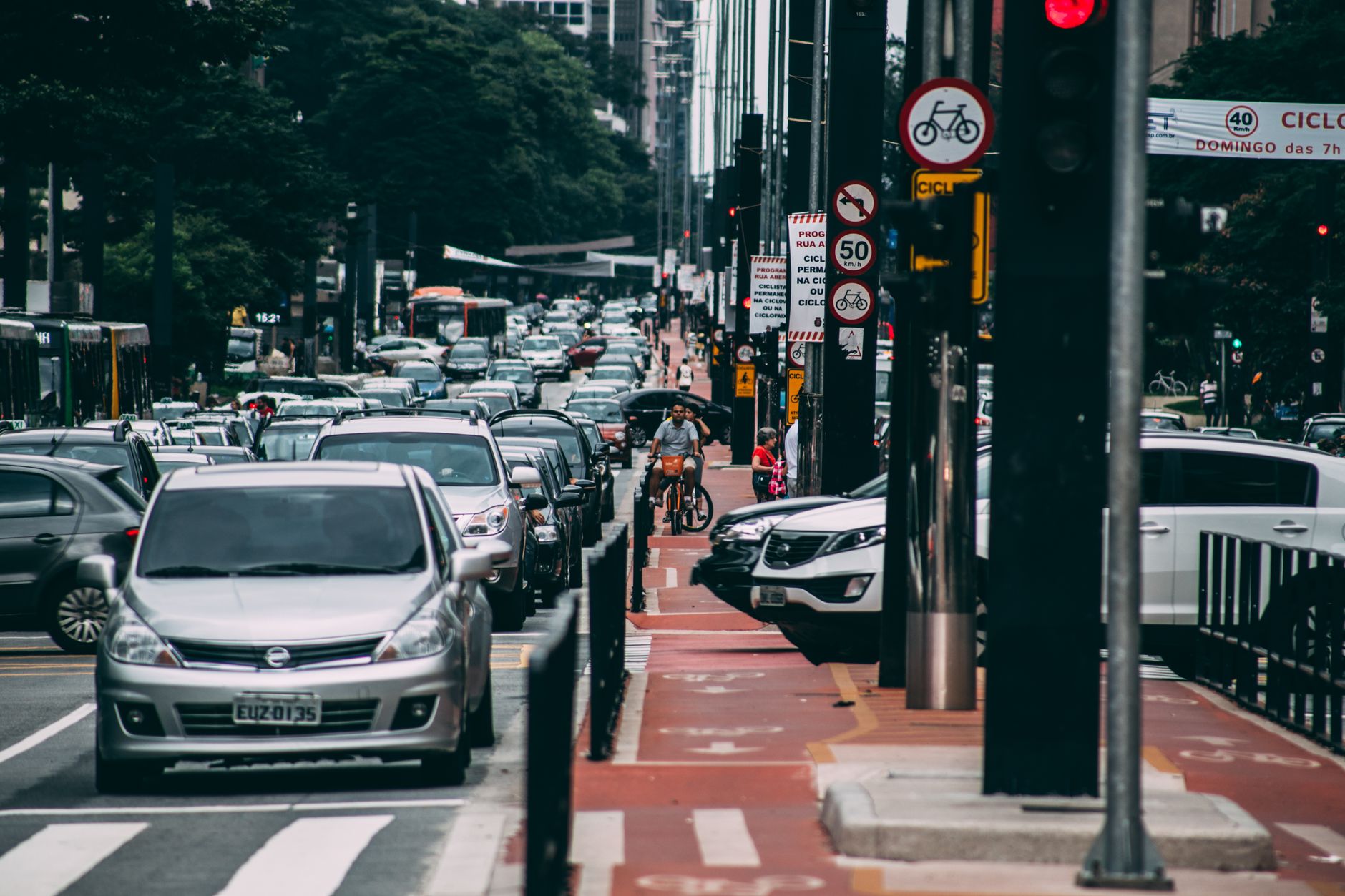
India's most notorious backpacker strip, opposite New Delhi station — filthy, cheap, superbly located, and not for everyone.
Paharganj is the 1.5 km run of Main Bazaar Road that starts at the western exit of New Delhi railway station and ends at Chuna Mandi. It has been the budget landing pad for overland travellers since the 1970s and the trade has calcified: guesthouses stacked four floors above shops, wholesale textile godowns, banks of cables slung overhead, and a permanent smell of frying, drains and incense. Rooms start at about ₹600 for a windowless double with a squat toilet and reach ₹2,500 for something with a lift, a lock that works and reliable hot water. It is the cheapest bed within walking distance of Connaught Place, and that is its entire argument.
At 9pm Main Bazaar is at its best and worst simultaneously. The rooftop restaurants are lit, someone is playing a Bob Marley track that has been playing here since 1994, and the street is a slow-moving jam of cycle rickshaws, motorbikes, cows, luggage trolleys and men with clipboards asking where you are going. Shops selling harem trousers and Tibetan singing bowls stay open until 11. It is loud, it is not remotely relaxing, and it is also one of the few places in Delhi where a solo traveller can eat a ₹180 thali, buy a train ticket and get a haircut within fifty metres.
Be clear-eyed about the downsides. Touting is constant and rehearsed. The classic move is a driver or a "friendly student" telling you Main Bazaar is closed for a festival or riot, then delivering you to a travel agent in Karol Bagh who sells a ₹60,000 Kashmir tour. Nobody has closed Main Bazaar. The other reality is hygiene: the drains are open in places, the street floods in July and August, and cheap kitchens here cause more traveller stomach upsets than anywhere else in the city. Eat where it is busy, drink sealed water, and avoid cut fruit from carts.
Who this suits: solo budget travellers, anyone with a 6am train, and people who actively enjoy chaotic street life and want ₹800 rooms. Who should skip it: families with small children, anyone travelling with serious camera gear, light sleepers, and anyone whose idea of a holiday involves a quiet corridor. Chanakyapuri and Aerocity are the opposite pole; Karol Bagh, one metro stop west, is the sensible middle ground — cleaner, calmer, ₹2,000 to ₹3,500, and only slightly less convenient.
Where to stay in Paharganj
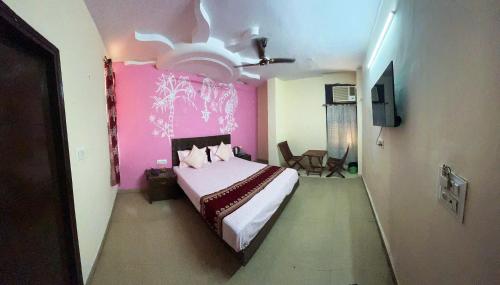
The quietest beds are off Main Bazaar itself, in the side lanes: Chuna Mandi, Rajguru Road, Tooti Chowk and the Multani Dhanda quarter at the western end, which is Tibetan- and Nepali-run and noticeably calmer. Expect ₹600 to ₹1,200 for a basic double, ₹1,500 to ₹2,500 for a proper mid-range room with a working lift, and ₹500 for a hostel dorm bunk. Book something with a street-facing balcony only if you want the noise as entertainment. Avoid the cluster of unbranded guesthouses immediately at the station end of Main Bazaar — highest touting, worst rooms, most commission. Check the room before paying, check the door bolts from inside, and be direct about refusing the "our hotel is full but my brother has a place" redirection, which is the single most common Paharganj hustle.
Hotels in Paharganj
Real, top-reviewed rooms — booked at the same live rate through app.impt.io, one tonne of carbon removed per stay.
Things to do in Paharganj
- Walk Main Bazaar at seven in the morningBetween roughly 6.30am and 8am the shutters are still down, the street is being swept, chai is ₹15 a glass at the stalls near Tooti Chowk, and you can actually see the 19th-century balconies above the shopfronts. It is the only hour Paharganj is photogenic rather than merely overwhelming.
- Eat chole bhature at Sita Ram Diwan Chand2243 Chuna Mandi, at the western end of Main Bazaar. Opens around 8am and sells out by early afternoon. One plate of fried bread with chickpeas is roughly ₹90, you eat standing or perched on a bench, and it is arguably the best version of the dish in Delhi. Go before 11am.
- Book onward trains at the tourist bureauThe International Tourist Bureau is on the first floor of New Delhi railway station, Ajmeri Gate side, open about 8am to 8pm on weekdays. It has a foreign-tourist quota for trains that appear sold out online. Bring your passport and visa. Nowhere else in Paharganj is an official ticket counter, whatever the signage claims.
- Buy trekking gear and second-hand paperbacksThe stretch between Tooti Chowk and Nehru Bazaar is dense with shops selling copies of trekking jackets, sleeping bags and duffels at ₹800 to ₹2,500, plus half a dozen stalls of battered novels in six languages. Quality is variable — check zips and seams before paying, and expect to halve the first price.
- Eat momos and thukpa in Multani DhandaThe lanes north of Main Bazaar near Ramakrishna Ashram Marg have a long-established Tibetan and Nepali community with tiny kitchens serving steamed momos at around ₹80 a plate and thukpa noodle soup at ₹120. Cleaner and quieter than the main strip, and the tea is butter tea if you ask.
- Take breakfast on a rooftop above the bazaarHalf a dozen guesthouses on Main Bazaar run open terraces — banana porridge, eggs, filter coffee, ₹150 to ₹350 for the lot. The point is not the cooking. It is looking down on the street from four floors up with a fan on, which is the only way Paharganj makes visual sense.
Getting around & the essentials
Metro
Ramakrishna Ashram Marg, 4 min
On foot
Leave New Delhi station by the Paharganj exit, cross the taxi rank and enter Main Bazaar. Pass the money changers and the first block of guesthouses, then Tooti Chowk where the lane widens, then the textile godowns and the second-hand bookstalls. Detour right into Multani Dhanda for the Tibetan kitchens, rejoin Main Bazaar and finish at Sita Ram Diwan Chand in Chuna Mandi. Forty minutes if nobody stops you; nobody has ever not been stopped.
By road
Useless; no parking at all
Transport
From Terminal 3, the Airport Express runs to New Delhi station in about 20 minutes for ₹60 and drops you a five-minute walk from the head of Main Bazaar via the Paharganj-side footbridge — far better than a taxi, which costs ₹700 to ₹900 and cannot enter the bazaar anyway. Ramakrishna Ashram Marg on the Blue Line sits at the western end and is the calmer arrival point. Within Paharganj everything is walkable; cycle rickshaws charge ₹40 to ₹80 for a lane hop with a bag. Connaught Place is a 15-minute walk east along Chelmsford Road. Do not attempt to bring a car: Main Bazaar is effectively impassable and there is no parking.
Evenings
Cables, touts, cheap rooftop thalis
Nightlife
Rooftops close by 11pm
Best season
Year-round; avoid June heat
Paharganj, questions answered
Is Paharganj safe?
It is safe in the sense that violent crime against tourists is rare, and unsafe in the sense that petty theft, aggressive touting and outright fraud are routine. Keep your bag in front of you in the crowd, do not accept unsolicited help with directions or bookings, and never hand over your passport to a travel agent. Women travelling alone report constant staring but few real incidents; most choose to be out before 10pm rather than after.
How far is Paharganj from New Delhi railway station?
Two to seven minutes on foot depending on where your guesthouse is on Main Bazaar. The bazaar begins directly at the station's Paharganj-side exit. If you arrive on the Ajmeri Gate side, use the internal footbridge rather than walking around the station perimeter, which takes 20 minutes and is unlit at night.
What should I expect to pay for a room?
₹600 to ₹1,200 buys a basic air-cooled double with an attached bathroom. ₹1,500 to ₹2,500 gets you a lift, proper air conditioning, hot water on demand and a rooftop. Hostel dorms run ₹450 to ₹700 a bunk. Rates jump 30 to 50 percent between late December and mid-January and drop sharply in the June to August heat and monsoon.
Should I stay in Paharganj or Karol Bagh?
Karol Bagh if you want a clean mid-range room, working plumbing and a market district rather than a tout gauntlet — budget ₹2,500 to ₹4,000. Paharganj if you want to spend ₹800, want other travellers around, and value walking distance to New Delhi station. Both are on good metro links, and Karol Bagh is one Blue Line stop further out.
Nearby areas
Doing good is the business: every booking through Stay New Delhi funds one verified tonne of carbon removal — same room, same price, no markup.
Start Your Search