What Keoladeo is, and why birders come
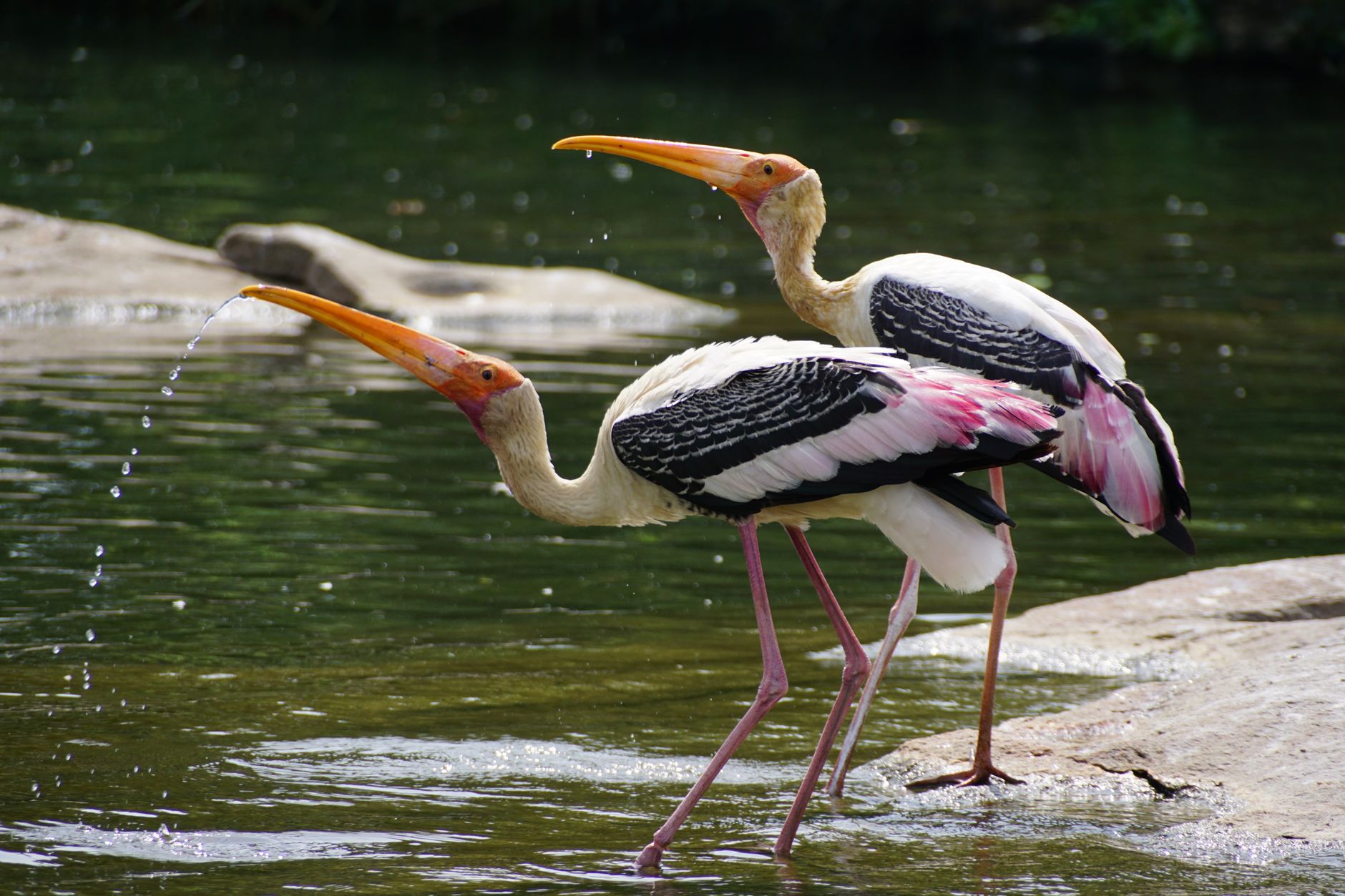
Keoladeo National Park, still widely called Bharatpur, is a 29-square-kilometre man-made wetland created in the 1760s as a duck-shooting reserve for the Maharaja of Bharatpur and turned into a protected park in 1971. It became a UNESCO World Heritage Site in 1985. More than 370 bird species have been recorded here: painted storks nesting in the acacias, sarus cranes, spoonbills, open-billed storks, and a winter influx of ducks and waders from Central Asia. The Siberian crane, the park's most famous visitor, has not been recorded since 2002.
It is a rare thing near Delhi — a protected area you can experience on foot or by bicycle, with no jeeps, no engines and no jostling. The main track runs about eight kilometres from the gate through a series of shallow, embanked wetlands, and the whole park is flat. That makes it accessible in a way most Indian national parks are not, and it means a day visit genuinely covers the good parts. Bring binoculars; there is nowhere sensible to hire a decent pair on site, and the birds are often at 50 to 200 metres.
Getting there from Delhi
By road it is roughly 180 to 200 kilometres, most efficiently down the Yamuna Expressway to Mathura and then 40 kilometres south-west on the Bharatpur road, taking about four hours door to door with tolls near ₹300 each way. A round-trip taxi runs ₹6,000 to ₹8,500. That means a genuinely early start — leave Delhi at 05:00 to be at the park gate for the 08:00 to 10:00 window when bird activity peaks, and plan to leave Bharatpur by 16:30 to be back in Delhi before 21:00.
By train, several Delhi–Mumbai and Delhi–Kota line services from Hazrat Nizamuddin stop at Bharatpur Junction in about three to three and a half hours, with fares from around ₹150 in sleeper to ₹900 in chair car; check current timings on IRCTC because the useful departures shift seasonally. The park gate is five kilometres from the station, ₹80 to ₹150 by auto. Many visitors combine Bharatpur with Agra, 55 kilometres away, or with Fatehpur Sikri, which sits almost exactly halfway between the two on the same road.
Tickets, rickshaws and how to see the park
Entry runs about ₹650 for foreign visitors and ₹100 for Indian nationals, with additional small charges for a camera in some categories, and the park opens from sunrise to sunset — roughly 06:30 to 17:30 in winter. There are three ways to get around. Walking is free and the best for photography, but eight kilometres out and back in the heat is a lot. Bicycles hire near the gate for about ₹100 a day and are the sweet spot, since the track is flat and hard-packed. Battery-operated shuttles run for those who cannot cycle.
The licensed cycle-rickshaw drivers are the local speciality and worth every rupee: many have been working the park for decades, know the nesting trees by name and can identify calls without looking up. Expect roughly ₹150 to ₹250 an hour, and take three hours. A separate naturalist guide, hired at the gate, adds around ₹350 to ₹500 an hour and is the right call if you are serious about species counts. Combining a rickshaw for transport with a guide for identification is the standard set-up among visiting birders, and it costs less than a jeep safari anywhere else in India.
When to go, and what you will actually see
The season is November to February, when the migratory ducks, geese, waders and raptors are in and daytime temperatures sit between 12°C and 25°C. Peak activity is the first two hours after sunrise and the last hour before dusk; between 11:00 and 15:00 in any season, the birds retreat and so should you. August to October is the breeding season for the resident colonial nesters — painted storks, cormorants, egrets and herons packed into the acacias in a spectacular, noisy mass — and the park is green and wet. March through June is hot, dry and thin on species.
A realistic winter morning yields 60 to 90 species without much effort: painted storks, spoonbills, black-necked storks, purple and grey herons, several kingfisher species, sarus cranes if you are lucky, plus jackals, nilgai, spotted deer and rock pythons sunning near the Python Point turnoff. Water levels vary year to year with the Panchna dam releases, and in dry years parts of the wetland are grass rather than water, which changes what turns up. Check recent trip reports before committing to the drive if birds are your only reason for going.
Adding Deeg, Lohagarh or Fatehpur Sikri
If you finish the park by 13:00, there are three good add-ons. Deeg Palace, 32 kilometres north, is an eighteenth-century Jat summer palace with formal gardens and a monsoon pavilion designed so water drums on the roof like rain; entry is modest at around ₹300 for foreign visitors and ₹25 for Indian nationals, and almost nobody goes. Lohagarh Fort in Bharatpur town itself is the earthen-walled fort the British failed to take in 1805, largely ruined but free to walk, with a small museum inside the old palace buildings.
Fatehpur Sikri, Akbar's abandoned capital of 1571, sits 22 kilometres east on the Bharatpur–Agra road and costs about ₹610 for foreign visitors and ₹50 for Indian nationals; the adjoining Jama Masjid and Salim Chishti dargah are free. It is the single strongest historical site in the region and it pairs naturally with a Keoladeo morning. Doing all of it in one day from Delhi is too much — but Keoladeo at dawn plus Fatehpur Sikri in the afternoon, with a driver, is one of the best long days you can build out of the city.
Questions, answered
How far is Bharatpur from Delhi?
About 180 to 200 kilometres, roughly four hours by road via the Yamuna Expressway to Mathura and then south-west, with tolls near ₹300 each way. Trains from Hazrat Nizamuddin reach Bharatpur Junction in three to three and a half hours. The park gate is five kilometres from the station, ₹80 to ₹150 by auto. A round-trip taxi from Delhi costs ₹6,000 to ₹8,500.
What is the entry fee for Keoladeo National Park?
Around ₹650 for foreign visitors and ₹100 for Indian nationals, with small extra charges for cameras in some categories. Bicycle hire near the gate is about ₹100 for the day. Licensed cycle-rickshaw drivers charge roughly ₹150 to ₹250 an hour and are excellent bird spotters. A naturalist guide adds ₹350 to ₹500 an hour.
What is the best time of year to visit Bharatpur?
November to February for migratory waterfowl and comfortable temperatures between 12°C and 25°C. August to October is the resident nesting season, when painted storks and cormorants fill the acacias and the wetland is at its greenest. March to June is hot and species-poor. Go at sunrise in any season, as activity drops sharply after 10:00.
Can you do Bharatpur and Fatehpur Sikri in one day from Delhi?
Yes, with a car and a 05:00 departure. Keoladeo from 07:30 to 12:30, then 22 kilometres east to Fatehpur Sikri for the afternoon, and back to Delhi via the Yamuna Expressway by around 21:30. Fatehpur Sikri costs about ₹610 for foreign visitors and ₹50 for Indian nationals. Adding Agra as well is not realistic in the same day.
Do I need binoculars at Keoladeo?
Yes, and bring your own — there is no reliable hire of decent optics on site. Most birds sit between 50 and 200 metres from the track, and the nesting colonies are high in the acacias. An 8x42 pair is ideal. A rickshaw driver or naturalist guide will spot far more than you will unaided, but you still need glass to see it.
Is Keoladeo good for non-birders?
Reasonably. It is flat, quiet, engine-free and pleasant to cycle, and you will see jackals, nilgai, spotted deer and turtles alongside the birds. But it is a wetland with a track through it, not a landscape park, and three hours is the natural limit for anyone without an interest in birds. If nobody in your group cares about birds, Agra or Neemrana is a better use of the drive.
Doing good is the business: every booking through Stay New Delhi funds one verified tonne of carbon removal — same room, same price, no markup.
Start Your Search