The honest cost of a budget bed
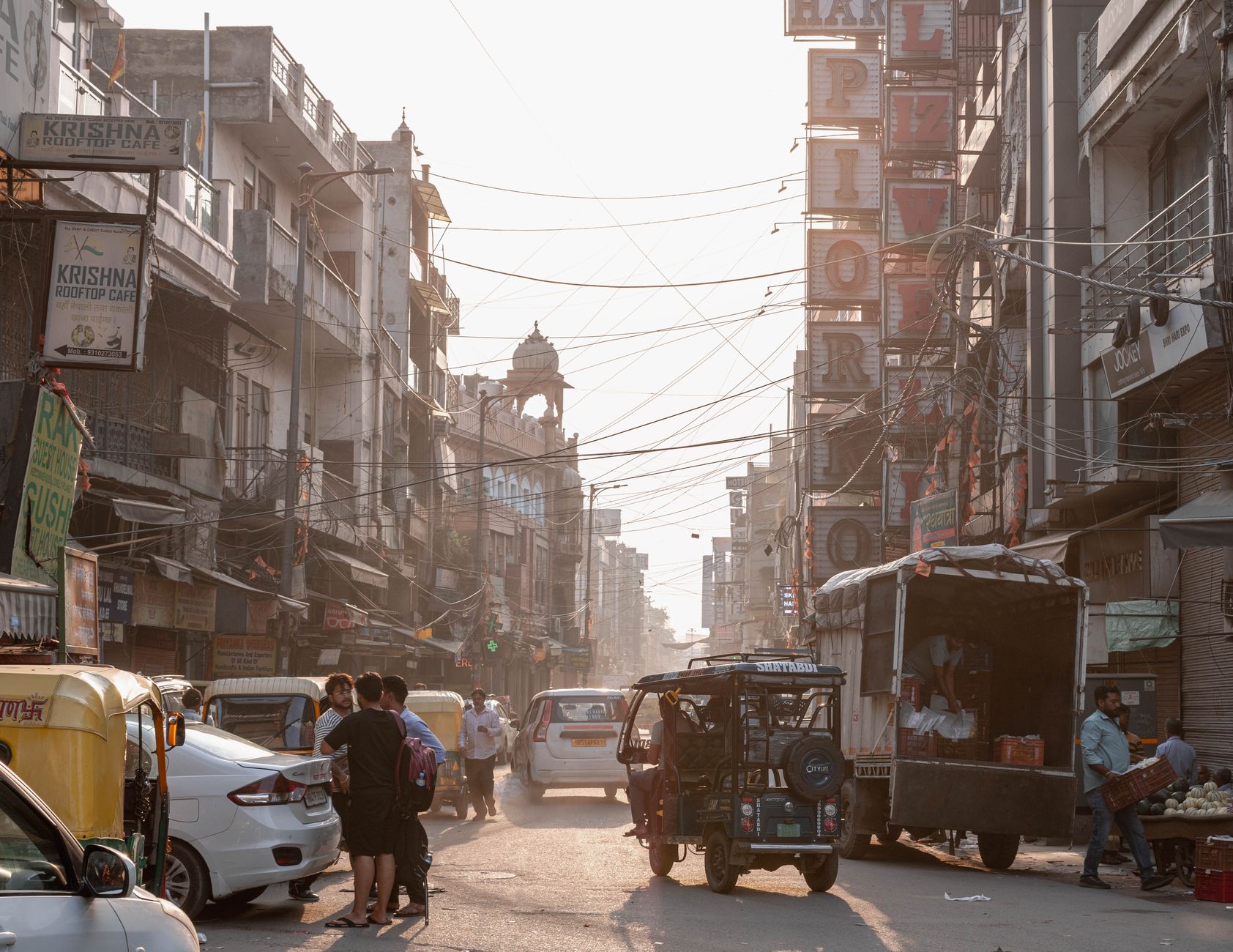
Delhi's cheap accommodation clusters in three places. Paharganj, the grid of lanes west of New Delhi railway station, still has the largest supply: dorm beds at ₹600 to ₹900 and private doubles from ₹1,200 to ₹2,200. Arakashan Road, one street north of the main bazaar, is the cleaner half — Zostel Delhi sits here and runs dorms around ₹700 to ₹900 with a rooftop. Main Bazaar itself is louder, dustier and more tout-heavy, but the ₹1,500 double with a window and a working geyser exists if you look at three rooms before paying.
The second cluster is Karol Bagh, one metro stop further west, where mid-size hotels sell doubles at ₹1,800 to ₹3,000 with air conditioning. The third is South Delhi: Madpackers and similar hostels around Safdarjung and Hauz Khas charge ₹800 to ₹1,200 for a dorm, and the trade is a calmer, greener street for a longer metro ride. Whatever you book, look for photographs taken in the last year, ask whether the rate includes the ₹200 to ₹400 breakfast, and confirm hot water — many budget rooms run instant geysers that need 20 minutes' notice.
Day one: Old Delhi for the price of a metro ticket
Ride the Yellow Line to Chandni Chowk (₹20 to ₹30 from most central stations) and start on foot at 09:00. Jama Masjid's courtyard costs nothing to enter; only the camera fee of ₹300 and the ₹100 minaret climb are chargeable, and you can skip both. Wander Dariba Kalan, the silver lane, and the Sisganj Gurudwara on the main street, which is free and serves langar to anyone who sits down. Khari Baoli's spice warehouses cost nothing to walk through. That is a full morning for under ₹100 of transport.
Skip the Red Fort if ₹600 is a meaningful share of your day's budget — Indian nationals pay ₹35 and should absolutely go in, but foreign visitors on a tight budget get more from the free Mehrauli park later in the trip. Lunch is where the value sits: a stuffed paratha thali in Paranthe Wali Gali at ₹100 to ₹150, or chole bhature from a Chandni Chowk counter at ₹80. Jalebi Wala at Dariba corner sells hot jalebi by weight from about ₹40 a portion. Finish the day at Gurudwara Bangla Sahib, free and open all night.
Day two: free monuments and green Delhi
Delhi's best-value day costs almost nothing. Start at Lodhi Garden — free, open 05:00 to 20:00 — where five fifteenth and sixteenth-century tombs sit among 90 acres of lawn. Walk east into the India Habitat Centre for a cheap canteen lunch, or north to Khan Market only if you have money to burn. Then the Yellow Line to Qutub Minar station and an auto to Mehrauli Archaeological Park, which is free, unfenced and holds Balban's tomb, Jamali Kamali and the Rajon ki Baoli stepwell. Bring water; there are no shops inside.
Continue to the Hauz Khas Complex, also free, open until sunset, for the madrasa ruins and the reservoir. Two more no-cost stops fit if you move: the Lotus Temple in Kalkaji, free and closed Mondays, where the queue runs 20 to 45 minutes; and Agrasen ki Baoli off Hailey Lane near Connaught Place, a 60-step stepwell that costs nothing and closes at 18:00. Total spend for the day, excluding food: roughly ₹120 in metro fares and ₹120 in autos. That is the argument for putting the free day in the middle of the trip.
Day three: one paid monument, one market, one long dinner
Spend your entry-fee money where it counts. Humayun's Tomb at ₹600 for foreign visitors and ₹35 for Indian nationals is the single best-value paid site in Delhi: the 1572 garden tomb, the Isa Khan enclosure and the barber's tomb, all within one wall. Combine it with Sunder Nursery next door at ₹100 for a half-day. Nizamuddin Basti, immediately west, costs nothing to walk and has the dargah, the Chausath Khamba and Ghalib's tomb; Thursday evening qawwali is free and starts around 18:30.
Afternoon is for a market with no obligation to buy. Dilli Haat INA charges ₹30 and puts state handicrafts and regional food stalls in one enclosure, so you can price things without a shop-owner's pressure. Sarojini Nagar, two kilometres away, is where Delhi buys export-surplus clothing at ₹100 to ₹400 a piece; go on a weekday morning, carry small notes and haggle to about half the opening price. End with dinner at Andhra Bhavan on Ashoka Road, where an unlimited meals thali is roughly ₹250 and shuts around 22:00.
The daily budget, item by item
Here is the realistic arithmetic for three days. Bed: ₹700 to ₹900 in a Paharganj or Safdarjung dorm, ₹1,500 to ₹2,200 for a private double split between two. Food: ₹80 for breakfast at a chai and paratha stall, ₹120 to ₹150 for a street lunch, ₹250 for a thali dinner, plus ₹60 in chai and bottled water. Transport: ₹80 to ₹150 a day on the metro, plus one or two shared autos at ₹40 to ₹80. That lands a solo traveller at ₹1,300 to ₹1,700 a day before entry fees.
Entry fees are what break budgets for foreign visitors, because ASI sites charge ₹600 where Indian nationals pay ₹35. Choose two paid monuments across three days — Humayun's Tomb and Qutub Minar, say — and you add ₹1,200 total rather than ₹3,000. Keep ₹500 a day as a float for the things that surprise you: cloakroom charges of ₹20 to ₹50, shoe deposits, ₹100 for a mosque camera fee, an unexpected auto in the rain. Three days on ₹2,200 a day is comfortable; ₹1,500 a day is possible if you walk more.
Where budget travellers lose money in Delhi
Almost all of it goes at New Delhi railway station and Paharganj. The standard script is a man in a lanyard telling you your hotel has burned down, your train is cancelled or the tourist office has moved, then steering you into a private agency that sells a ₹40,000 Rajasthan tour. The genuine railway tourist bureau is inside the station on the first floor at the Ajmeri Gate side, and it does not have a branch on the street. Book train tickets on the IRCTC app or at the station's foreign tourist quota counter, never through an office someone walks you to.
The smaller leaks add up too. Unmetered autos quote ₹300 for a ₹120 ride, so use the Uber and Ola auto option to fix the price. Free-entry temples sometimes have a persuasive shoe-minder wanting ₹100; ₹20 is generous. Bottled water should cost ₹20 for a litre, not ₹50 — check the printed MRP, which is legally binding. And when a driver offers a ₹100 half-day tour, understand you are paying with your time in commission-paying emporiums. Say no, walk to the metro, and your budget survives the week.
Questions, answered
How much money do I need per day in Delhi as a backpacker?
Around ₹1,500 to ₹2,200 a day covers a dorm bed, three meals of street and canteen food, metro fares and one paid monument. Foreign visitors pay ₹600 at major ASI sites versus ₹35 for Indian nationals, which is the biggest single variable. Sticking to free monuments drops the daily total under ₹1,500. Add ₹500 a day if you want private rooms and taxis.
Is Paharganj safe to stay in?
It is safe enough in the sense that violent crime against tourists is rare, but it is a hustling district and the touts are relentless. Stay north of the main bazaar on Arakashan Road for quieter, cleaner options. Walk with your bag in front after dark and ignore anyone who approaches you about your hotel. Women travelling alone often prefer the South Delhi hostels near Safdarjung instead.
Which Delhi monuments are free?
Lodhi Garden, Mehrauli Archaeological Park, the Hauz Khas Complex, Agrasen ki Baoli, the Lotus Temple, Gurudwara Bangla Sahib, Jama Masjid's courtyard, Akshardham's main temple and India Gate all cost nothing. Sunder Nursery is ₹100 and Dilli Haat is ₹30, which is close enough. That is easily two full days of sightseeing without an entry fee.
Can I get from the airport to Paharganj cheaply?
Yes. Take the Airport Express from Terminal 3 to New Delhi railway station for ₹60, then walk 10 to 15 minutes across the footbridge into Paharganj. Trains run roughly 04:45 to 23:30 and the ride takes 20 minutes. A pre-paid taxi from the airport counter costs about ₹500 to ₹600 and app cabs are similar.
Do I need to book budget hotels in advance in Delhi?
In peak season, from November to February, book at least the first night so you are not negotiating at midnight. Outside that, walking in and inspecting two or three rooms often gets a better rate and a better room than the online price. Always look at the actual room before paying, since listing photographs are frequently years old. Ask whether the rate includes taxes and breakfast.
Doing good is the business: every booking through Stay New Delhi funds one verified tonne of carbon removal — same room, same price, no markup.
Start Your Search