School holidays and long weekends: Delhi's real crowd calendar
Five long weekends and three school-holiday blocks in 2026 decide whether the Qutub Minar queue is four minutes or forty, and they move hotel rates in Agra far more than in Delhi.
The three holiday blocks that move Indian travellers
Delhi's schools break in mid-May and go back around 1 July, which is the big one: six weeks in which middle-class Delhi families leave the city for the hills and everyone else's family arrives to see the capital. There is a short Diwali break of roughly a week around 8 November 2026, and a winter break from about 1 January to 15 January when the fog is thickest. Between them, the CBSE board exam period from mid-February to early April keeps a substantial slice of the domestic market at home entirely.
The counter-intuitive result is that the summer break makes Delhi cheaper, not dearer. Delhi residents leave for Shimla, Mussoorie, Nainital and Manali, where hotel rates double, while the domestic visitors who come to Delhi are day-trippers and budget travellers who fill museums and monuments but not four-star hotels. So in June you get crowded sites and empty hotels at ₹5,000 instead of ₹9,000. In January the reverse: quiet sites in the fog, but rooms at winter peak.
The 2026 long weekends, in order
Five dates create real three-day weekends in 2026 and every one of them shows up in monument footfall and Agra hotel pricing. Republic Day, 26 January, is a Monday. Gandhi Jayanti, 2 October, is a Friday. Diwali, 8 November, is a Sunday, extending an already-heavy week. Christmas, 25 December, is a Friday. Independence Day, 15 August, falls on a Saturday, which blunts it slightly but still produces a heavy Saturday-Sunday.
On these weekends the pattern is identical: the Taj Mahal, Fatehpur Sikri, Jaipur's Amber Fort and Rishikesh fill with Delhi residents driving out, while Delhi's own monuments fill with visitors from the surrounding states. Agra hotel rates on a long-weekend Saturday run 40 to 70 per cent above a midweek rate, from about ₹3,500 to ₹6,000 at mid-range level. If you have any flexibility, shift a Taj Mahal visit to the Tuesday or Wednesday after and you will halve the queue and the room rate.
Agra, and the Friday nobody remembers
The Taj Mahal is closed all day every Friday. This single fact ruins more Delhi itineraries than weather ever does, because the Gatimaan and Shatabdi trains and the Yamuna Expressway make Friday look like a perfectly good day trip. It is not. Saturday and Sunday in the October to March high season, and any day during the mid-May to June school break, produce ticket queues of 40 to 90 minutes and a mausoleum interior in which you shuffle rather than walk.
The pattern that works: leave Delhi at 5.30am by car via the Yamuna Expressway, 230km and about three and a half hours with the toll at roughly ₹700 to ₹800 each way, or take an early train from Hazrat Nizamuddin, and be at the East Gate at opening. Buy tickets online in advance. Aim for a Tuesday or Wednesday outside a holiday block, and be finished by 10am when the coach parties arrive. Skip the sunset slot in winter, when haze usually erases the view after 4pm anyway.
Where Delhi's own sites get crushed
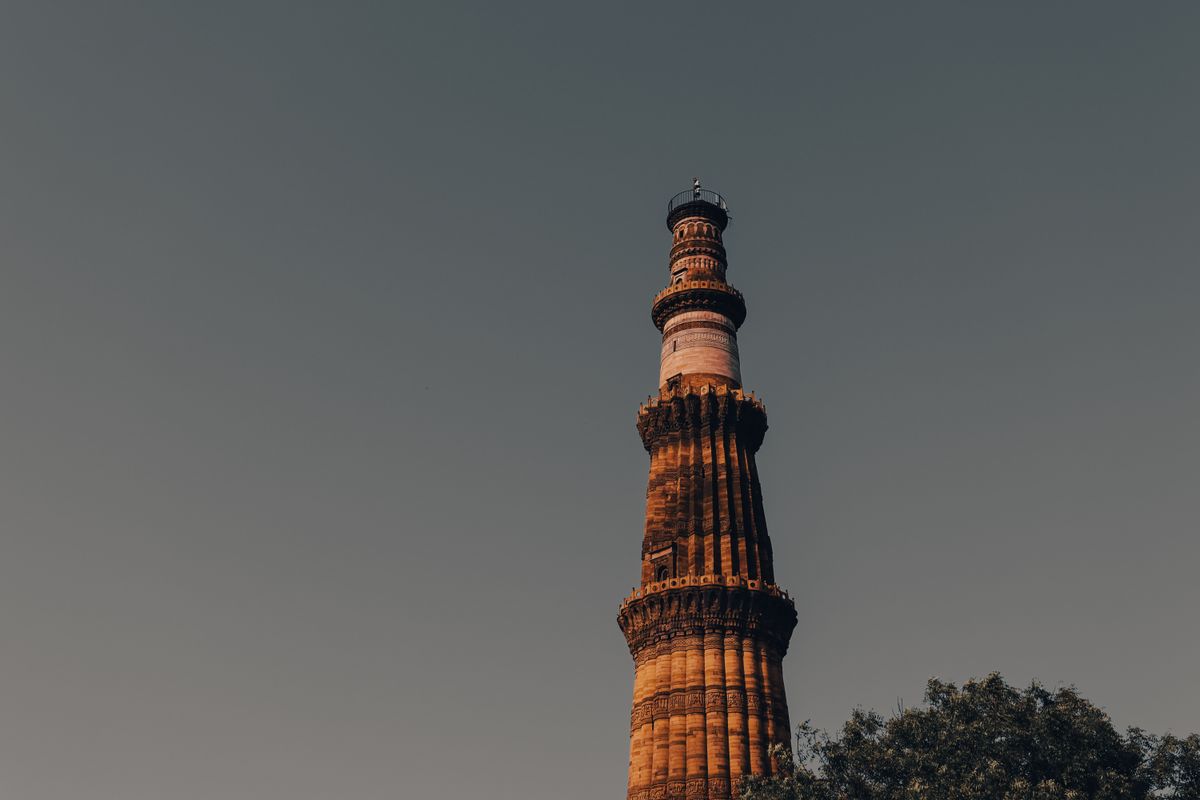
During school holidays and on Sundays year-round, the pressure is uneven. Qutub Minar, the Red Fort, Akshardham and the National Zoological Park take the worst of it; Akshardham's security queue can run 45 minutes on a Sunday evening and it is closed Mondays. Humayun's Tomb, Safdarjung's Tomb, the Mehrauli Archaeological Park and Sunder Nursery absorb crowds far better because the grounds are large. The National Museum on Janpath is never busy, which says more about domestic museum habits than about the collection.
For families, the summer break fills the child-oriented venues: the National Science Centre near Pragati Maidan, the National Rail Museum in Chanakyapuri, the zoo beside Purana Qila, and the indoor entertainment complexes in Noida and Gurugram malls. Weekday mornings are fine at all of them; Saturday and Sunday afternoons from mid-May to end-June are not. Buy timed entry where offered and arrive at opening, which is generally 9.30 or 10am.
The Sunday rule, and the Monday trap
Sunday is Delhi's worst sightseeing day and its best driving day. Monument footfall roughly doubles, the big markets like Sarojini Nagar and Lajpat Nagar are at their most packed, and Chandni Chowk trades hard. But the roads are clear, so a long-distance itinerary that involves driving to Mehrauli, Gurugram or Noida moves at half the usual time. Use Sunday for distance and for eating, not for queueing.
Monday is the trap. The Red Fort, the National Museum, the National Gallery of Modern Art, Gandhi Smriti, the Crafts Museum and Akshardham are all closed. Travellers who arrive on Sunday night and plan a museum Monday lose a day. What is open on Monday: Humayun's Tomb, Qutub Minar, Safdarjung's Tomb, Jantar Mantar, Lodhi Garden, Sunder Nursery, Bangla Sahib, Jama Masjid and every market. That is easily a full and excellent day, and it is a quiet one.
How school holidays move hotel prices, area by area
Mid-May to end-June: Delhi hotel rates at their annual low across the board, but the family-oriented mid-range in Karol Bagh, Paharganj and around New Delhi railway station tightens because that is where domestic holiday travellers stay. Expect ₹2,500 to ₹4,000 there against ₹1,800 to ₹3,000 in a quiet week, while Aerocity and Chanakyapuri fall to their yearly floor. Book the business districts, not the tourist districts, in June.
The Diwali break in November and the winter break in early January work the other way: everything rises, and hotels near the railway station and ISBT fill first because of family travel across north India. Trains and buses out of Delhi in the first week of January and around 8 November sell out three to four weeks ahead, so if a Jaipur or Amritsar leg is part of your trip, book the rail sector before you book the room. The Delhi metro is unaffected by all of this and never sells out.
Building an itinerary around the crowd calendar
The rule I use: put the busy sites on weekday mornings, put the big open sites on weekends, put markets and food on Sundays and evenings, and never plan a Friday around Agra or a Monday around museums. In practice a clean four-day shape is Tuesday for Old Delhi and Jama Masjid, Wednesday for Agra, Thursday for Humayun's Tomb, Nizamuddin and Lodhi Garden, Friday for Qutub, Mehrauli and Hauz Khas, keeping the weekend for Chandni Chowk eating and Dilli Haat.
Then check your dates against the five long weekends and the three holiday blocks. If your trip straddles one, do not fight it: move the Agra day to the far side of the long weekend, buy every timed ticket online in advance, and start each day at opening time rather than after breakfast. An hour earlier is worth more in Delhi than any other adjustment you can make, and in the mid-May to June block it is also the difference between 32°C and 42°C.
Questions, answered
When do Indian schools break, and does it affect Delhi hotels?
The main break runs mid-May to about 1 July, with shorter breaks around Diwali in early November and roughly 1 to 15 January. Summer break pushes Delhi hotel rates down, since residents leave for the hills, but it fills mid-range hotels near New Delhi station and Karol Bagh at ₹2,500 to ₹4,000 with domestic families.
Which day is worst for sightseeing in Delhi?
Sunday for crowds, Monday for closures. On Sunday, monument footfall roughly doubles and markets are packed, though roads are clear. On Monday the Red Fort, National Museum, Akshardham, Gandhi Smriti and the Crafts Museum all close. Humayun's Tomb, Qutub Minar, Lodhi Garden and Jama Masjid are open Mondays and pleasantly quiet.
How far ahead should I book Agra for a long weekend?
Three to four weeks for hotels and trains around Republic Day on 26 January, Gandhi Jayanti on 2 October, Diwali on 8 November and Christmas on 25 December, all of which fall adjacent to weekends in 2026. Mid-range Agra rooms go from about ₹3,500 midweek to ₹6,000. Better still, shift the visit to the Tuesday after.
Doing good is the business: every booking through Stay New Delhi funds one verified tonne of carbon removal — same room, same price, no markup.
Start Your Search