Saket area guide: who should book south Delhi's mall district
Three malls, a metro station and the Qutub complex 3.5 km away make Saket the easiest south Delhi base for families, at ₹4,500-9,000 a night for a room that would cost ₹7,000 in Connaught Place.
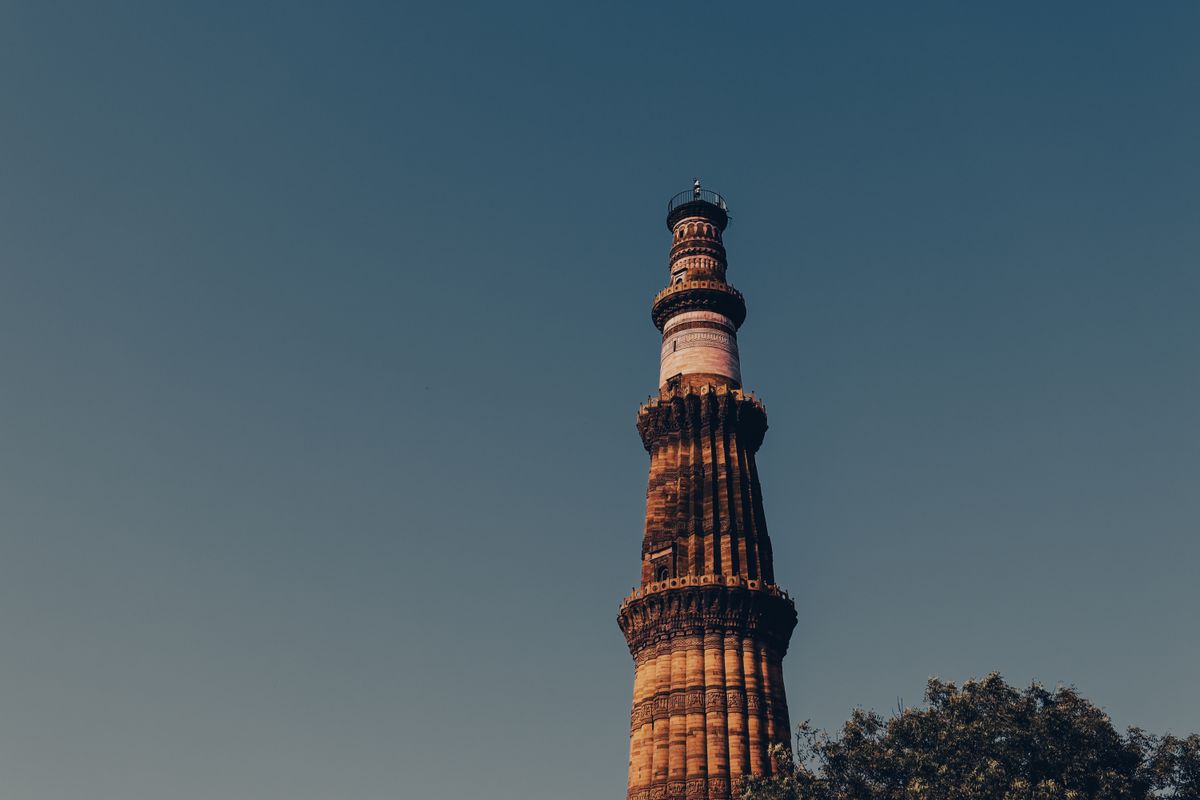
What Saket is, and why people end up here
Saket is a planned south Delhi colony built around a district centre that now holds three connected malls: Select Citywalk, DLF Avenue and MGF Metropolitan, sitting on either side of Press Enclave Road with a shared plaza between them. Around that core are residential blocks lettered A to J, the Saket Court complex, and Max Super Speciality Hospital, which brings a steady flow of medical visitors and shapes the serviced-apartment market. The metro station on the Yellow Line sits on Press Enclave Road, with Malviya Nagar one stop north and Qutub Minar two stops south.
People end up here for three reasons. Families want lifts, clean toilets, air conditioning and a cinema within walking distance of the room. Medical travellers want to be ten minutes from Max. And business visitors want a base between the Nehru Place office cluster, 6 km east, and the Gurugram corridor, 40 minutes west. What almost nobody chooses Saket for is atmosphere: this is a comfortable, functional, slightly suburban Delhi with wide roads and a lot of parking, and it never pretends otherwise.
The hotel stock and what it costs
Saket has a five-star at the district centre, the Sheraton New Delhi, which typically runs ₹11,000-18,000 in high season with a pool and direct mall access. Below that, the market is small business hotels and boutique properties in the residential blocks, particularly around Saket's J block and towards Said-ul-Ajaib, at ₹4,500-8,000, generally with 20-40 rooms, a lift, backup power and a restaurant. Below that again, guesthouses and homestays in Malviya Nagar and Khirki Extension at ₹1,800-3,500, which are noticeably rougher but well connected.
The strongest value in Saket is the serviced apartment. One-bedroom units with a kitchenette in Saket and neighbouring Sheikh Sarai run ₹3,800-6,500 a night and ₹55,000-95,000 a month, aimed at the hospital trade, and they include weekly cleaning and often a driver on call. For a family of four staying a week, that is the cheapest comfortable option in south Delhi. Across all categories, May to August prices drop 20-30 per cent, and the December to February peak sees the branded hotel rates rise steeply during wedding weekends.
Who Saket is right for
Families with children between two and twelve. The malls give you clean bathrooms, baby-change rooms, a food court that will feed a fussy eater, cinemas and enough air conditioning to survive an afternoon in May. Nothing else in Delhi solves the middle-of-the-day heat problem as easily. Medical visitors, for the obvious reason. And travellers doing a monument-heavy south Delhi itinerary, because Qutub Minar, Mehrauli Archaeological Park and the Garden of Five Senses are all within 4 km, and the Yellow Line handles the rest.
It is also the sensible base for anyone with an evening flight who wants a real last day. Terminal 3 is 15-17 km via Aurobindo Marg and NH48, 30-45 minutes, ₹450-650 by app cab, and the roads out of Saket are wide enough that the drive is predictable. Compare that with Old Delhi, where the same journey can take 70 minutes. If your trip involves a lot of car movement, Saket's road position saves genuine hours across a week.
Who should book somewhere else
Anyone who came for old Delhi. Red Fort and Chandni Chowk are 18 km north, a 50-minute metro run with a change or an hour-plus by car, and doing that twice in a trip is tiring. Anyone whose budget is under ₹3,000 and who wants to be central: that money goes further in Karol Bagh with a far shorter ride to the sights. And anyone chasing the neighbourhood-café-and-bar version of Delhi, which happens in Hauz Khas and Greater Kailash rather than here.
Solo travellers who want to meet other travellers will find Saket lonely; the visitor population is mostly Indian families and hospital patients, and there is no hostel culture. Architecture-minded visitors should note that Saket itself has none, though the Mehrauli ruins next door have plenty. And if you dislike malls on principle, understand that in Saket the mall is the town square, the restaurant district and the cinema, and refusing to use it leaves you with very little.
Walking distance from the district centre
From a hotel at Saket District Centre: Select Citywalk and DLF Avenue are across the plaza, two minutes, with a supermarket, pharmacies and around forty restaurants between them. Saket metro station is a five-minute walk on Press Enclave Road. Champa Gali, a converted industrial lane in Saidulajab full of small cafés, a bookshop and craft studios, is 1.5 km south-west, reachable in twenty minutes on foot or ₹60 by auto, and it is the one part of the area with genuine character. Khirki Masjid, a 14th-century mosque with a rare covered plan, is 1.2 km north-east and usually empty.
Further out, but still short: the Garden of Five Senses is 2 km, Qutub Minar 3.5 km, and Mehrauli Archaeological Park with Jamali Kamali's tomb, Rajon ki Baoli and Balban's tomb is 4 km and free to walk. Hauz Khas Village is 6 km north, ₹150-250 by cab. What you will not do on foot is cross Press Enclave Road casually at rush hour; use the metro station's footbridge, because the traffic here moves fast in five lanes.
Eating, and where to skip
The mall restaurants are competent chains at ₹800-1,600 a head, useful with children and dull otherwise. The better eating is 500 m to 2 km out. The Saket and Malviya Nagar market lanes do North Indian and Chinese-Indian at ₹250-450 a head, with late-night rolls and biryani around the Malviya Nagar main road until midnight. Champa Gali does the coffee-and-brunch end, ₹500-900. Chirag Delhi and Khirki, both a short ride away, have good, cheap kebab and biryani shops that never see a tourist.
Skip the food courts at peak weekend hours, when the queue for a table at Select Citywalk on a Saturday evening runs past twenty minutes. Skip the mall's imported-goods pricing for basics; the local market on Saket's J block sells the same fruit at a third. And if you want a memorable meal rather than a convenient one, book a table in Greater Kailash's M block, 6 km east and about ₹200 by cab, where the standard is meaningfully higher for the same spend.
Verdict, and Saket versus its neighbours
Book Saket if you have children, a hospital appointment, or a south Delhi and Qutub-focused itinerary of four nights or more. Take a serviced apartment rather than a hotel room if there are three or more of you; ₹5,000 for a one-bedroom with a kitchen beats ₹8,000 for two hotel rooms, and the laundry alone justifies it. Book the district centre hotels if you want the malls on your doorstep, and the J block or Said-ul-Ajaib properties if you want quiet residential streets at ₹1,000-1,500 less.
Against its neighbours: Hauz Khas, 6 km north, is livelier, cheaper and worse for families. Greater Kailash, 6 km east, eats better and has almost no hotels. Vasant Kunj, 8 km west, is closer to the airport and duller still. Nehru Place, 6 km east, is for business only. Saket's specific advantage is the combination of the Yellow Line, three malls, a hospital and the Mehrauli monuments inside a 4 km circle, and no other south Delhi address puts all four together.
Questions, answered
How do I get from Saket to Qutub Minar?
Two stops south on the Yellow Line from Saket to Qutub Minar station, about five minutes and ₹20, then a ten-minute walk or a ₹40 auto to the gate. By car it is 3.5 km and 10-15 minutes. Go at opening, around 7 am, to beat the coach groups.
Is Saket good for families with young children?
It is the strongest option in south Delhi. Select Citywalk and DLF Avenue give you air conditioning, clean bathrooms, baby-change facilities, cinemas and a food court within two minutes of the district centre hotels, which matters between 1 and 5 pm from April to June when outdoor sightseeing is not realistic.
What does a serviced apartment in Saket cost?
Roughly ₹3,800-6,500 a night for a one-bedroom with a kitchenette, or ₹55,000-95,000 a month, with weekly cleaning included. The stock exists largely for patients and families using Max hospital, so it is well run, and for three or four travellers it undercuts two hotel rooms comfortably.
How long does it take to reach Old Delhi from Saket?
About 50-60 minutes on the Yellow Line to Chandni Chowk, a direct run of roughly fourteen stops for ₹50, or 55-75 minutes by car for ₹350-500. Plan Old Delhi as a single full day rather than a couple of short visits if you are based here.
Doing good is the business: every booking through Stay New Delhi funds one verified tonne of carbon removal — same room, same price, no markup.
Start Your Search