How much to tip in Delhi: a rupee-by-rupee guide
Ten percent in restaurants where no service charge is printed, ₹50 to ₹100 a bag for porters, ₹300 to ₹500 a day for a hired driver, and nothing at all for the auto ride you just negotiated.
The short answer and the underlying logic
Delhi tips, but modestly and unevenly. Formal service gets rewarded; informal transactions where you already agreed a price do not. So a sit-down restaurant meal gets 10 percent, a hotel porter gets ₹50 to ₹100 per bag, a full-day driver gets ₹300 to ₹500, a guide gets ₹500 to ₹1,000, and an auto driver who quoted you ₹150 gets ₹150. Rounding up ₹140 to ₹150 is normal and appreciated; adding 15 percent to an auto fare is not generous, it just confuses the transaction and slowly reshapes what drivers expect from the next visitor.
The reason foreigners get this wrong is that the two economies look similar from outside. In the negotiated economy, the price has already absorbed everything, including a foreigner premium you probably did not spot. In the salaried service economy, the tip is a genuine top-up on low base pay and is the reason the doorman remembers your name on day three. Sort each encounter into one of those buckets and you will tip correctly about 95 percent of the time without agonising over it.
Restaurants, and the service charge question
In a proper restaurant with table service, 10 percent is the standard for good service and 5 percent is acceptable for indifferent service. On a ₹1,800 dinner for two in Defence Colony or Greater Kailash, that is ₹180. In a casual place, a mid-range curry house or a Connaught Place lunch spot, ₹50 to ₹100 in cash left on the tray is right. At a dhaba, a street stall or a chaat counter, nothing is expected. Nobody has ever been thought rude for paying ₹120 for chole bhature and walking away.
Service charge complicates this. Many Delhi restaurants print 5 or 10 percent as service charge on the bill. Indian consumer regulators have held that this cannot be mandatory, and courts have backed that position, so you are entitled to ask for it to be removed. In practice: if the charge is on the bill and the service was fine, pay it and tip nothing further, because the staff usually see a share. If service was genuinely poor, ask politely for its removal and expect it to be done. Do not double-tip on top of a 10 percent service charge out of nervousness.
Hotels, floor by floor
The bell desk is the clearest case: ₹50 per bag at a mid-range hotel in Karol Bagh or Paharganj, ₹100 per bag at a five-star in Aerocity or Chanakyapuri, handed directly at the room door. Housekeeping is best tipped daily rather than at the end, ₹100 to ₹200 left visibly on the desk, because the person cleaning on Tuesday may not be the one working Friday. Room service bills usually include a service charge; if not, ₹50 to ₹100 to the person who wheels the trolley is right, in cash, since the docket signature route rarely reaches them.
Doormen who flag you a cab in Rajiv Chowk rain, concierges who actually solve something such as securing a table or fixing a train ticket, and spa therapists all sit at ₹100 to ₹500 depending on effort. At the other end, guesthouse owners in Paharganj who serve your breakfast themselves should not be tipped as staff; buy an extra chai and pay for it. If a hotel adds a blanket service charge to the folio, treat it as covering the general staff and tip only individuals who go beyond the job.
Drivers and guides, where the numbers are biggest
A car with driver hired for the day at ₹2,500 to ₹3,500 should get ₹300 to ₹500 on top if he waited patiently, avoided commission shopping stops and did not spend the day on the phone. On a multi-day booking, ₹500 a day settled at the end is standard and cleaner than daily dribs. For an Agra or Jaipur run, where the driver puts in twelve hours and 500 km, ₹800 to ₹1,000 is fair, and it buys you a driver who is awake on the return leg of the Yamuna Expressway.
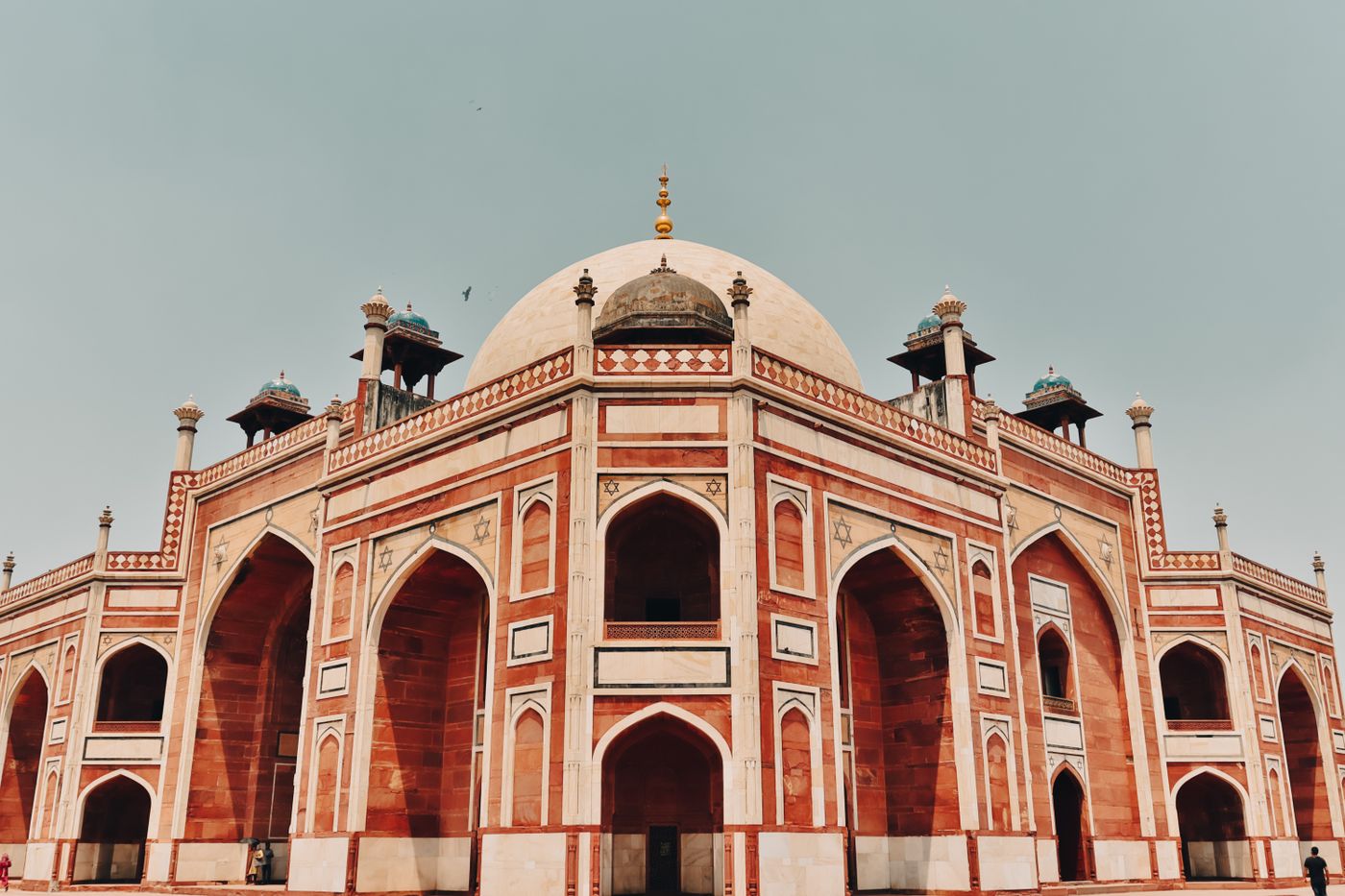
Licensed guides at Humayun's Tomb, Qutub Minar or Red Fort typically quote ₹600 to ₹1,500 for a tour and expect ₹200 to ₹500 more if they were genuinely good. Fix the fee before you start walking, in numbers, out loud, and confirm whether it covers one monument or three. The people to refuse are the unlicensed ones who attach themselves at the ticket gate and start narrating uninvited, then request payment. A firm no thank you at the first sentence is far easier than an argument forty minutes later.
Apps, autos and delivery
Ride apps show a tip screen after the trip. ₹20 to ₹50 is a real and welcome amount for a driver who found you in a crowded market or handled bags. Skipping it entirely is normal and carries no stigma. Street autos, where you bargained the fare, need nothing beyond rounding up: ₹190 becomes ₹200. E-rickshaws at ₹20 for a station hop are already priced at the floor, and the driver would rather have exact change than a coin back. Cycle rickshaw pullers in Old Delhi doing hard physical work in 40 degree heat are the exception, where ₹20 extra on a ₹80 ride is decent.
Food delivery riders, who are everywhere in Delhi and ride in genuinely dangerous traffic, take ₹20 to ₹50 either in the app or in cash at the door. During July monsoon downpours or December fog make it ₹50 without thinking about it. Grocery and pharmacy delivery is the same. The pattern to internalise: a tip is for someone doing labour on your behalf on a fixed wage, not for someone who set their own price ten minutes ago.
The small, informal tips nobody explains
There is a whole layer of ₹10 and ₹20 transactions in Delhi that feels like tipping and is closer to a fee. The man watching parked cars in a market lane takes ₹10 to ₹20. Attendants at paid public toilets take ₹5 to ₹10. Shoe minders outside Jama Masjid and at temples take ₹10 to ₹20, though at Bangla Sahib Gurdwara the shoe counter is a free volunteer service and tipping is not the custom. Station porters in red shirts at New Delhi and Old Delhi stations negotiate: expect ₹100 to ₹150 a bag, settled before they lift anything.
Salons and barbers take ₹50 to ₹100. Tailors in Lajpat Nagar who alter a kurta the same evening take ₹50. Hotel gym and pool attendants, nothing. Petrol pump staff, nothing. Keep a dedicated stash of ₹10, ₹20 and ₹50 notes in a separate pocket for this layer, because fumbling a ₹500 note at a shoe counter turns a ten-second exchange into a scene, and there will be no change.
Where tipping actively backfires
Do not pay for access. At major monuments you will occasionally meet a guard who offers to open a closed chamber, let you onto a roof, or get you past a queue for a small consideration. That is not a tip, it is a bribe for something usually prohibited, and it puts you on the wrong side of both site rules and the staff who follow them. Similarly, ignore anyone at a ticket gate claiming the counter is closed and offering to buy your ticket with a handling fee. Book online, walk to the official window, and let them lose interest.
The other place to hold back is with children who beg near India Gate, at Connaught Place traffic lights and outside Jama Masjid. Giving ₹100 is emotionally easy and demonstrably keeps children out of school and on the median strip. If you want to help, Delhi has established organisations working on street children and food distribution that accept donations properly, and the gurdwara kitchens feed thousands daily and take contributions. That is the same money doing something durable rather than buying a moment of relief.
Questions, answered
Do I still tip if the restaurant bill already shows a service charge?
No. A printed 5 or 10 percent service charge covers it, and staff normally receive a share. If service was outstanding, ₹100 in cash to the server is a nice extra but not expected. If service was poor, you can ask for the service charge to be removed, and Delhi restaurants will do it when asked politely.
Should I tip an auto-rickshaw driver?
Not beyond rounding up. A ₹140 fare becomes ₹150 and that is the whole custom. You already agreed a price, usually one slightly above the meter, so the tip is baked in. On app-booked rides, ₹20 to ₹50 through the tip screen is genuinely appreciated for long trips or heavy luggage.
How much should I give a hired driver at the end of a day trip?
₹300 to ₹500 for a full Delhi day, and ₹800 to ₹1,000 for a long-haul day to Agra or Jaipur with twelve hours behind the wheel. Pay it directly to him, not through the agency, and settle at the end rather than in instalments. Skip the tip if he insisted on commission shopping stops.
What notes should I keep for tipping?
Stock ₹10, ₹20, ₹50 and ₹100 notes in a separate pocket. Almost every tip in Delhi falls in that range, and the smaller denominations cover shoe minders, parking attendants, washroom attendants and cycle rickshaws. Handing over ₹500 and waiting for change turns a small courtesy into a negotiation nobody wants.
Doing good is the business: every booking through Stay New Delhi funds one verified tonne of carbon removal — same room, same price, no markup.
Start Your Search