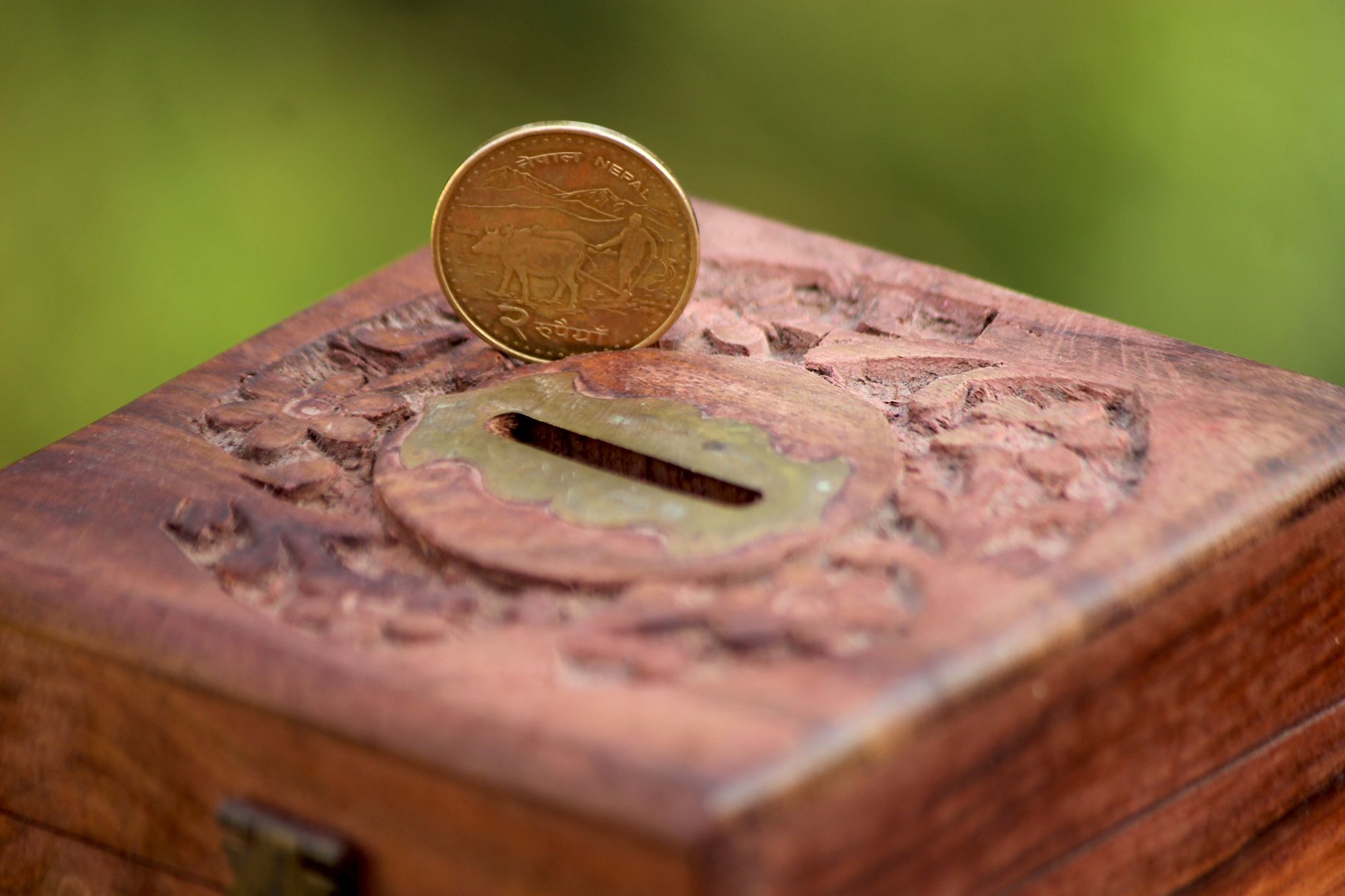
Cash, cards and the rise of QR codes
Delhi runs on three payment layers. Cash still rules with auto drivers, street food carts, small market stalls and cycle rickshaws — carry ₹2,000–₹3,000 a day in small notes, because nobody at a chaat stall can break ₹500. Cards work fine in hotels, malls, chain restaurants and mid-range sit-down places, though smaller restaurants sometimes add a surcharge on cards. The third layer, and the one that has transformed the city, is UPI: QR code stickers at everything from paan shops to Khan Market bookshops, with payment settled instantly from a phone.
Foreign visitors can now access UPI through the UPI One World wallet, available at airport counters and some bank branches with a passport and visa; you load it with cash and scan like a local. It is worth twenty minutes of setup for a week-long stay. Otherwise, use ATMs from major banks — HDFC, ICICI, Axis, SBI — which typically dispense ₹10,000 to ₹20,000 per transaction and charge foreign cards around ₹200–₹250 in local fees on top of whatever your home bank levies. Withdraw larger amounts less often.
What things actually cost
Transport: a Metro ride ₹10–₹60, an auto across central Delhi ₹120–₹180, a ten-kilometre app cab ₹200–₹350, a full day with a car and driver ₹2,500–₹3,500. Food: a samosa ₹20–₹30, a plate of chole bhature at Sita Ram Diwan Chand ₹90–₹120, a state bhavan thali ₹200–₹350, a mid-range restaurant main ₹350–₹650, a bottle of beer in a Hauz Khas bar ₹350–₹550, a cocktail in a Khan Market bar ₹700–₹1,200, a tasting menu at Indian Accent around ₹5,500–₹6,500 before drinks.
Sightseeing is where foreign and Indian pricing diverges sharply. Humayun's Tomb, Qutub Minar and Red Fort each charge roughly ₹550–₹600 for foreign passport holders against ₹35–₹40 for Indian nationals; the National Museum is around ₹650 for foreigners. Sunder Nursery is a bargain at about ₹50 for Indians and a modest sum for foreign visitors. Buy tickets online via the ASI portal to skip queues. Everyday extras: a litre of bottled water ₹20, a filter coffee ₹60–₹120, a flat white in a specialty café ₹280–₹380, laundry per kilo ₹120–₹200.
Hotel pricing and the tax band that catches people out
Room rates in Delhi are quoted in three different ways: pre-tax, post-tax, and post-tax with breakfast, and aggregator sites are inconsistent about which. Tax is banded by nightly tariff, with a lower slab under ₹7,500 and 18 percent above it, so a room advertised at ₹7,300 can settle cheaper on the final bill than one at ₹7,900. Always ask for the all-in figure. Many hotels also add a service charge to restaurant and spa bills, which is legally optional and can be asked to be removed if the service was poor.
Expect the honest bands to be roughly these: dorm bed ₹600–₹1,200; solid budget double ₹2,000–₹3,500; boutique or good three-star ₹4,000–₹7,000; business four-star in Aerocity ₹7,000–₹10,000; landmark five-star ₹14,000–₹35,000. Booking directly with independent guesthouses in Nizamuddin East, Jangpura or Defence Colony often shaves 8–10 percent off the portal rate. Airport transfers arranged through a hotel run ₹800–₹1,200 against ₹450–₹600 on the prepaid taxi meter; pay the premium only when you land after midnight.
Tipping: who to tip, how much, and when not to
Tipping in Delhi is customary but modest. In restaurants, leave 8–10 percent if no service charge has been applied, and nothing extra if a 5–10 percent service charge already appears on the bill. At a dhaba or street stall, rounding up to the nearest ₹10 or ₹20 is plenty and often waved away. Hotel porters expect ₹50 per bag, housekeeping ₹100 per day left at the end of the stay, and a doorman who hails a cab in the rain deserves ₹50. Spa therapists are usually tipped ₹200–₹300.
For guides and drivers, ₹500–₹1,000 is right for a good full-day private guide and ₹300–₹500 for a driver who has waited around all day without complaint. Auto and app-cab drivers are not tipped as standard; rounding up the fare is the norm. Do not tip at temples, gurdwaras or the langar at Bangla Sahib, where any donation should go to the official donation box rather than a person. And do not hand money to children, which sustains a system that keeps them out of school.
The pricing traps to know about
Three recur constantly. First, the commission detour: an auto or cab driver takes you to a carpet, marble or handicraft emporium where prices are doubled and he collects a cut. Say clearly at the start that you are not shopping, and get out if the route deviates. Second, the fake tourist office: shops near New Delhi Railway Station and along Connaught Lane advertising themselves as government tourism will sell overpriced tours. The genuine India Tourism office is at 88 Janpath, and it does not sell package tours on the pavement.
Third, unmarked pricing. In markets like Sarojini Nagar, Janpath and Chandni Chowk, opening quotes to obvious visitors run two to four times the going rate. Ask two or three stalls the same question before buying, and be willing to walk. Fixed-price shops exist — Central Cottage Industries Emporium on Janpath, the state emporia on Baba Kharak Singh Marg, Fabindia and Good Earth — and while they are 20–30 percent more than a hard-bargained market price, they save you an hour of theatre and the quality is verifiable.
Three honest daily budgets
Backpacker, around ₹2,000–₹2,800 a day: a hostel dorm at ₹800, street food and dhaba meals at ₹350 total, Metro and shared e-rickshaws at ₹120, one paid monument at ₹600 and a chai or two. This is a genuinely comfortable Delhi if you are happy with fans, dorms and eating standing up, which is where a lot of the best food is anyway.
Mid-range, around ₹6,500–₹9,000 a day: a ₹4,500 boutique double in CP or Jangpura, breakfast included, a ₹250 lunch and a ₹900 dinner for one, ₹500 on autos and cabs, one or two monuments at ₹600 each, and a ₹450 beer. Comfortable, air-conditioned and unhurried. Upper end, ₹20,000 and up: a ₹14,000–₹25,000 room at The Lodhi, Taj or The Imperial, a car and driver at ₹3,000, a ₹2,500 lunch and a ₹6,000 tasting-menu dinner. Delhi at this level is world-class and still cheaper than equivalent nights in Europe.
Questions, answered
How much cash should I carry each day in Delhi?
Around ₹2,000–₹3,000 in small denominations covers autos, street food, market stalls and rickshaws for a day. Break large notes at hotels, chain restaurants or Metro counters, because ₹500 notes are hard to change at a chaat stall. Keep the bulk of your money in a hotel safe and carry cards separately from cash.
Can foreign tourists use UPI in India?
Yes. The UPI One World wallet is available to inbound travellers at airport counters and some bank branches on production of a passport and visa; you top it up with cash and pay by scanning QR codes. It works at the vast majority of shops, cafés and even street vendors in Delhi. It saves constant ATM trips and the ₹200–₹250 local fee each withdrawal attracts.
Do you tip in restaurants in New Delhi?
Tip 8–10 percent where no service charge has been added. If a service charge of 5–10 percent already appears on your bill, no further tip is expected — and that charge is legally optional in India, so you can ask for it to be removed if the service was poor. At street stalls and dhabas, rounding up ₹10–₹20 is the norm.
Why do monuments charge foreigners more in Delhi?
The Archaeological Survey of India operates a two-tier ticket system used across the country. Humayun's Tomb, Qutub Minar and Red Fort charge roughly ₹550–₹600 for foreign passport holders versus ₹35–₹40 for Indian nationals, with the difference funding conservation. Buying online through the ASI portal is quicker than the counter and sometimes marginally cheaper than paying cash at the gate.
What is a reasonable daily budget for New Delhi?
Backpackers manage on ₹2,000–₹2,800 including a dorm bed, street food and Metro fares. A comfortable mid-range day with a ₹4,500 hotel room, sit-down meals and cabs runs ₹6,500–₹9,000. At the luxury end, expect ₹20,000 and up once a five-star room, a private car and a tasting-menu dinner are in play.
Are credit cards widely accepted in Delhi?
Yes in hotels, malls, chain restaurants and most mid-range sit-down places; no with auto drivers, street vendors, small market stalls and many older shops in Chandni Chowk. Visa and Mastercard are near-universal where cards work at all, American Express far less so. Always carry enough cash for a full day even if you intend to pay by card.
Doing good is the business: every booking through Stay New Delhi funds one verified tonne of carbon removal — same room, same price, no markup.
Start Your Search