New DelhiDestinations
★★ Old Delhi (Chandni Chowk) · New Delhi
asar CP Outer Circle by Orion Hotels
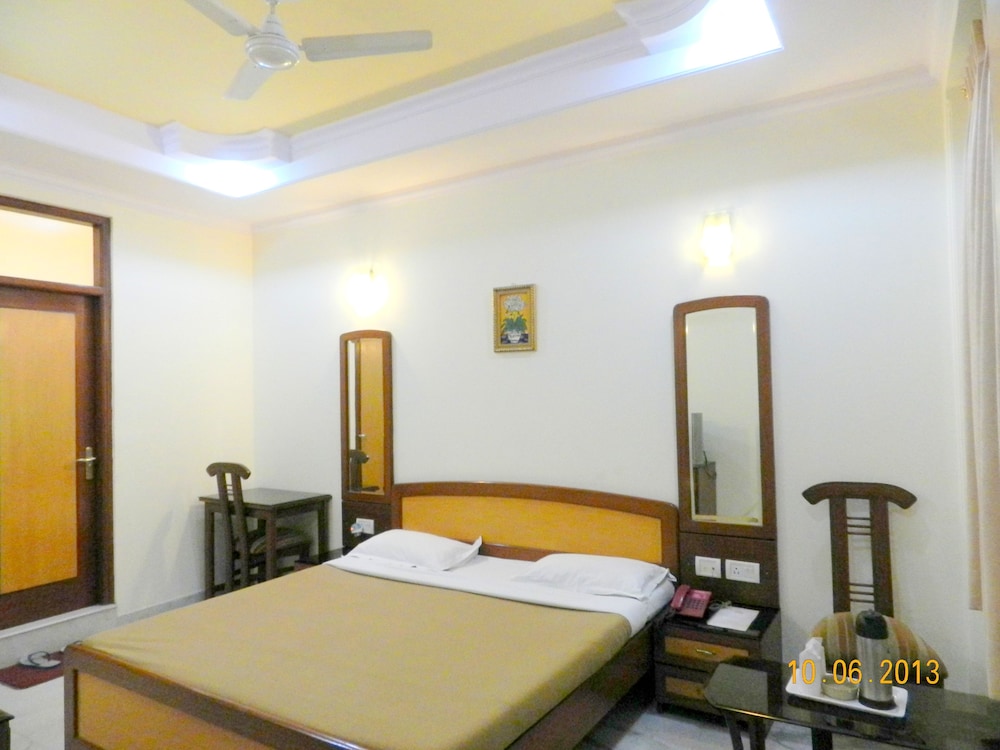
Room
Room
Room
Room +1 photos

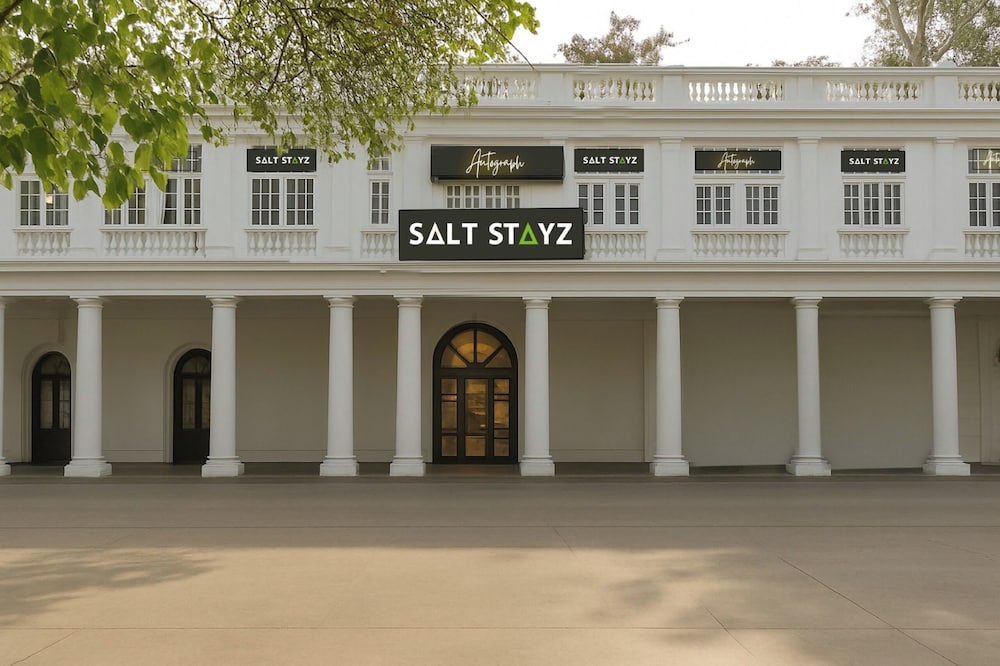
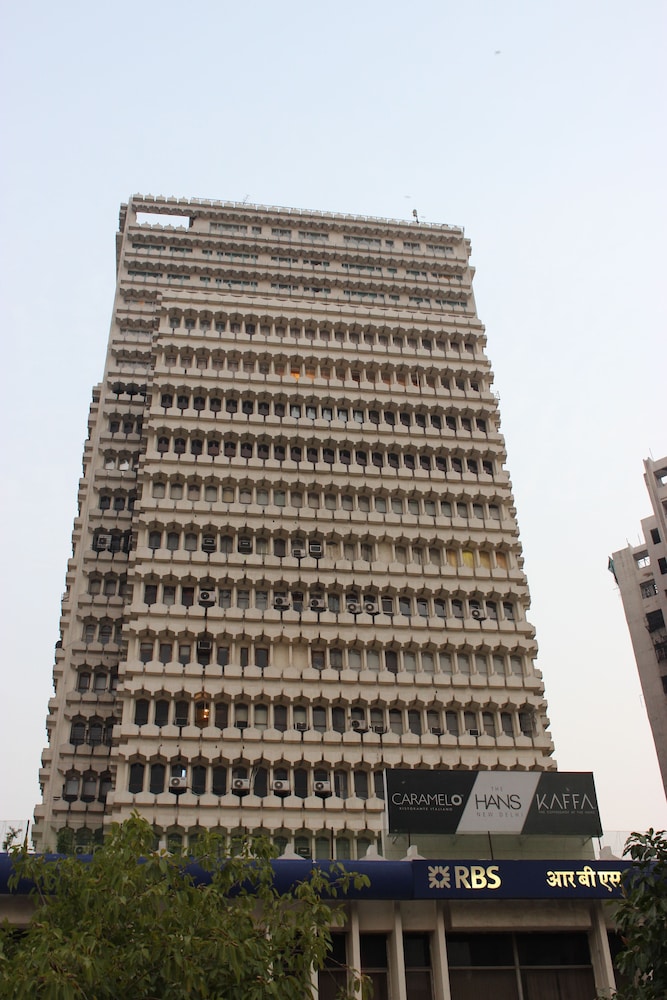
asar CP Outer Circle by Orion Hotels

20 Connaught Cir, New Delhi, India

For a cheaper night in New Delhi, asar CP Outer Circle by Orion Hotels in Old Delhi (Chandni Chowk) keeps costs down while staying within reach of Tughlaqabad Fort.

From here, New Delhi’s main attractions — including Tughlaqabad Fort — are an easy walk or short ride away, so you spend less time in transit and more time exploring.

Because pricing is set live by the hotel and its suppliers, the figure shown here is a recent snapshot; check the current rate for your exact dates before booking.

Key facts

Class
2-star
Area
Old Delhi (Chandni Chowk)
Address
20 Connaught Cir, New Delhi, India

What’s included

24 Hour Front Desk Free Wifi Lifts Self Parking Shops Shuttle service Surcharge Wheelchair accessible

Best time to visit New Delhi, month by month, and what it does to room rates

February and October are the two best months, and rates reflect it. October brings the end of the monsoon and daytime highs around 32°C, with Dussehra Ramlilas and the Delhi Half Marathon filling central hotels; November drops to a comfortable 25°C but brings the post-Diwali smog, with AQI regularly above 300 and GRAP restrictions in force, plus the India International Trade Fair at Pragati Maidan from 14 to 27 November, which pushes Connaught Place and Nehru Place rates up 30–50 per cent. December is 7–20°C with dense fog from mid-month that delays flights at IGI and trains out of New Delhi Railway Station, and the last week of December is the single most expensive stretch of the year. January is the coldest, with nights near 5°C, and the Republic Day parade on Kartavya Path on 26 January closes roads across Lutyens Delhi and tightens security for a week either side.

February is the month to aim for: 10–25°C, clear light on the sandstone at Humayun’s Tomb, and the Surajkund Mela at Faridabad running 1–16 February. March is still pleasant until Holi, after which temperatures climb fast, and by May and June Delhi sits at 42–46°C, which makes Tughlaqabad Fort or Mehrauli genuinely unsafe after about 10am. That heat is also when five-star rooms in Chanakyapuri and Aerocity fall to their lowest, often 40 per cent below December. The monsoon runs from late June to mid-September, with July alone bringing around 200 mm of rain, waterlogging on the Ring Road and the cheapest rates of the year outside the wedding lull; 15 August closes the Red Fort to visitors for Independence Day preparations and the day itself.

Getting around New Delhi: metro, autos, taxis and whether you need a car

You do not need a car in Delhi. The Delhi Metro runs around 390 km across a dozen lines with fares of ₹10–60, and it reaches almost every site on an archaeology itinerary: Chandni Chowk and Lal Qila for the Red Fort, Rajiv Chowk for Connaught Place, Jor Bagh for Lodhi Gardens and Safdarjung’s Tomb, Hauz Khas for the madrasa complex, and Qutub Minar station a short auto ride from the Qutub. Trains run roughly 06:00 to 23:00 and a Tourist Card costs ₹200 for one day or ₹500 for three, plus a ₹50 refundable deposit. Autorickshaws start at about ₹30 for the first 1.5 km and are the right tool for the last two kilometres from a metro exit; insist on the meter or use an app. Ola and Uber work everywhere and a Connaught Place to Qutub Minar run, about 15 km, is usually ₹300–450 off-peak.

From the airport, the Airport Express (Orange Line) covers the 22.7 km from IGI Terminal 3 to New Delhi Railway Station in about 20 minutes for ₹60, stopping at Delhi Aerocity and Dhaula Kuan. A prepaid taxi from T3 to Connaught Place runs ₹500–700 and takes 35–50 minutes depending on traffic on NH-48 and Dhaula Kuan. Where a car earns its keep is the Mehrauli belt and the day trips: a car with driver on the standard 8-hour, 80-km basis costs roughly ₹2,500–3,500 in Delhi, which makes sense for a Qutub Minar, Mehrauli Archaeological Park, Sultan Ghari and Tughlaqabad loop that no metro line strings together. For Agra, the Gatimaan Express from Hazrat Nizamuddin does Agra Cantt in 100 minutes; for Jaipur, the Ajmer Shatabdi from New Delhi takes about four and a half hours, and both beat driving the Yamuna Expressway or NH-48.

How many nights in New Delhi, and a first-timer itinerary that works

Four nights is the working minimum if the monuments are why you came, because Delhi’s archaeology is spread across three separate clusters 15–20 km apart. Day one is Shahjahanabad: Red Fort, Jama Masjid and the lanes off Chandni Chowk, remembering the Red Fort is closed on Mondays and the main bazaar street is pedestrianised through the day. Day two is Mehrauli, the oldest layer: Qutub Minar and the Iron Pillar, then Mehrauli Archaeological Park for Balban’s tomb, Jamali Kamali and Rajon ki Baoli, with Tughlaqabad’s 1321 ramparts if you still have legs. Day three is the Nizamuddin corridor: Humayun’s Tomb, Sunder Nursery’s 15 monuments across 90 acres, Purana Qila, then Lodhi Gardens and Safdarjung’s Tomb in the late afternoon light.

Add a fifth night for the National Museum on Janpath, Feroz Shah Kotla with its Ashokan pillar, and Agrasen ki Baoli off Hailey Road near Connaught Place. Six or seven nights lets you fold in Agra properly, ideally sleeping there one night so you get the Taj Mahal at sunrise and Fatehpur Sikri without rushing, or Jaipur for Amber Fort and Jantar Mantar. Ten nights covers the full Delhi–Agra–Jaipur triangle with a night at Neemrana, 122 km down NH-48, on the way back. Keep your Delhi hotel booked through the day trips if you can; a second check-in in Karol Bagh or Hauz Khas costs more in time than the two nights of room rate you save.

Questions, answered

Where is asar CP Outer Circle by Orion Hotels located?
asar CP Outer Circle by Orion Hotels is in Old Delhi (Chandni Chowk), New Delhi (20 Connaught Cir, New Delhi, India), close to Tughlaqabad Fort.
How much does asar CP Outer Circle by Orion Hotels cost per night?
Prices are set live by the hotel — check the booking page for a real rate for your dates.
How many stars is asar CP Outer Circle by Orion Hotels?
asar CP Outer Circle by Orion Hotels is a 2-star hotel in New Delhi.
What is the cheapest month to visit Delhi?
June and August are the cheapest, with rates 30–40 per cent below December across every category. June is the reason: daytime temperatures of 42–46 °C make Tughlaqabad Fort or the open lawns at Humayun’s Tomb unpleasant after about 10am, so hotels in Aerocity and Chanakyapuri that never discount in winter start doing so. August is monsoon, humid and prone to waterlogging on the Ring Road, but mornings are workable and Sunder Nursery is at its greenest. If you want low prices without the extremes, the first three weeks of September or the second half of March are the compromise.
How many nights do I need in Delhi?
Four nights is the minimum for the main monuments, because Shahjahanabad, Mehrauli and the Nizamuddin corridor are three separate clusters 15–20 km apart and each takes most of a day. Five nights adds the National Museum on Janpath, Feroz Shah Kotla and Agrasen ki Baoli without rushing. Six or seven lets you add Agra with an overnight there, which is the only way to see the Taj Mahal at sunrise and still reach Fatehpur Sikri. For the full Delhi–Agra–Jaipur circuit with a night at Neemrana, plan on ten.
How do I get from Delhi airport to the city centre?
The Airport Express metro is fastest: 22.7 km from Terminal 3 to New Delhi Railway Station in about 20 minutes for ₹60, with stops at Delhi Aerocity and Dhaula Kuan. A prepaid taxi from the T3 arrivals counter to Connaught Place costs ₹500–700 and takes 35–50 minutes depending on NH-48 traffic. Ola and Uber pick up from the designated bays and price similarly outside surge hours. If you are staying in Aerocity itself the drive is under 10 minutes, and most hotels there run a free shuttle; Mahipalpur is the same distance on the other side of NH-48 but you will need an auto.
Do I need a car in New Delhi?
No, not for the city itself. The metro covers nearly 390 km with fares of ₹10–60 and reaches Lal Qila, Jor Bagh, Hauz Khas and Qutub Minar stations, with autos at about ₹30 for the first 1.5 km filling the last stretch. A car with driver, at roughly ₹2,500–3,500 for the standard 8 hours and 80 km, is worth it for one day only: the Mehrauli Archaeological Park, Sultan Ghari and Tughlaqabad loop that no single metro line connects. For Agra and Jaipur, take the Gatimaan Express or the Ajmer Shatabdi rather than driving.
Is Delhi better for families or for couples, and which areas suit each?
Both work, but the areas differ. Families do best in Vasant Kunj, Dwarka or Saket, where hotels have pools, larger rooms and easy parking, and Saket sits two metro stops from Qutub Minar; expect ₹4,000–9,000. Couples tend to prefer Hauz Khas for the deer park and the ruins beside the reservoir, or Nizamuddin East for the walk to Sunder Nursery and Humayun’s Tomb, at ₹3,000–7,000. Extra beds and cots are widely available but rarely free, usually ₹800–1,500 a night, and Indian hotels often cap occupancy at three per room.
Find your Delhi address
Compare honest rates across Paharganj, Connaught Place, Hauz Khas and Aerocity — and remove a tonne of CO₂ with every booking.
Search hotels