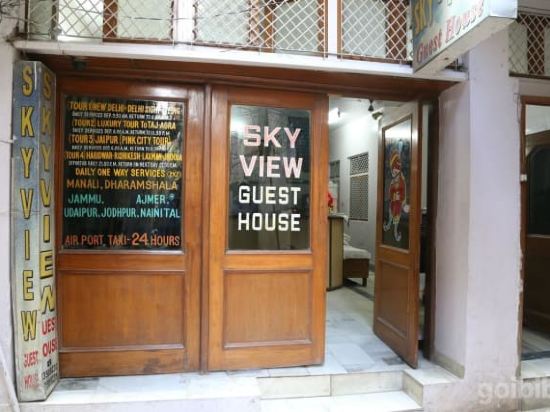
Sky View Guest House
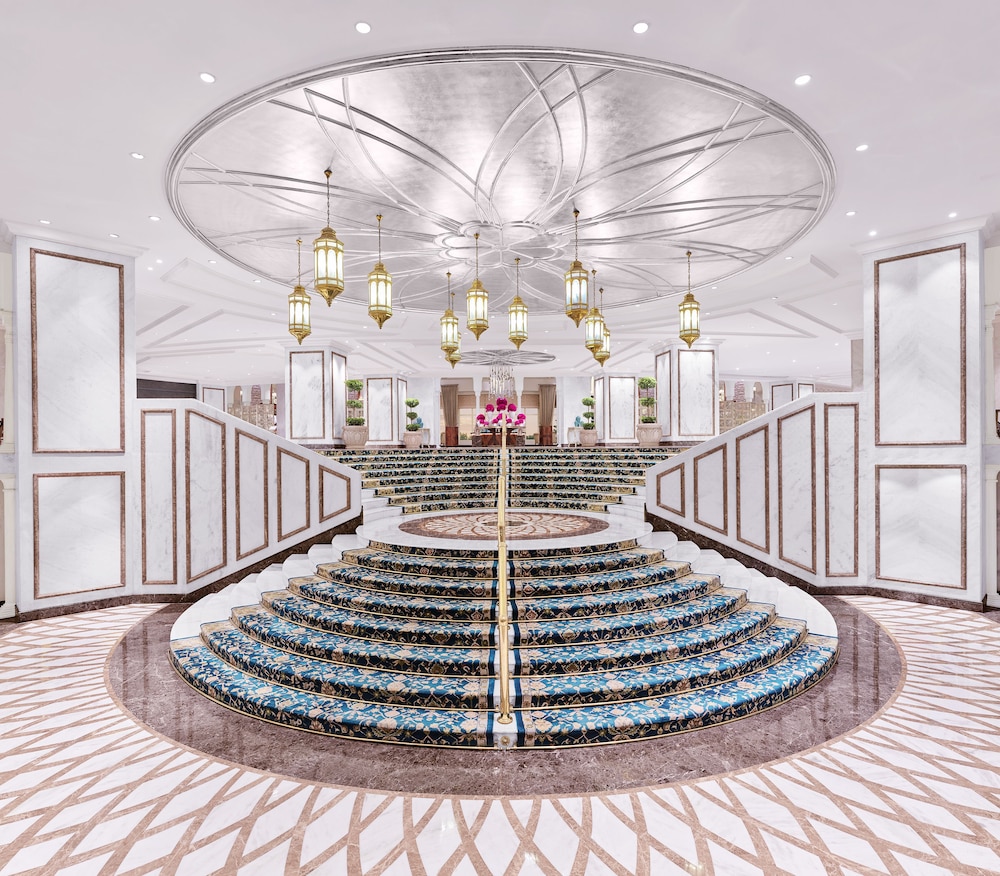
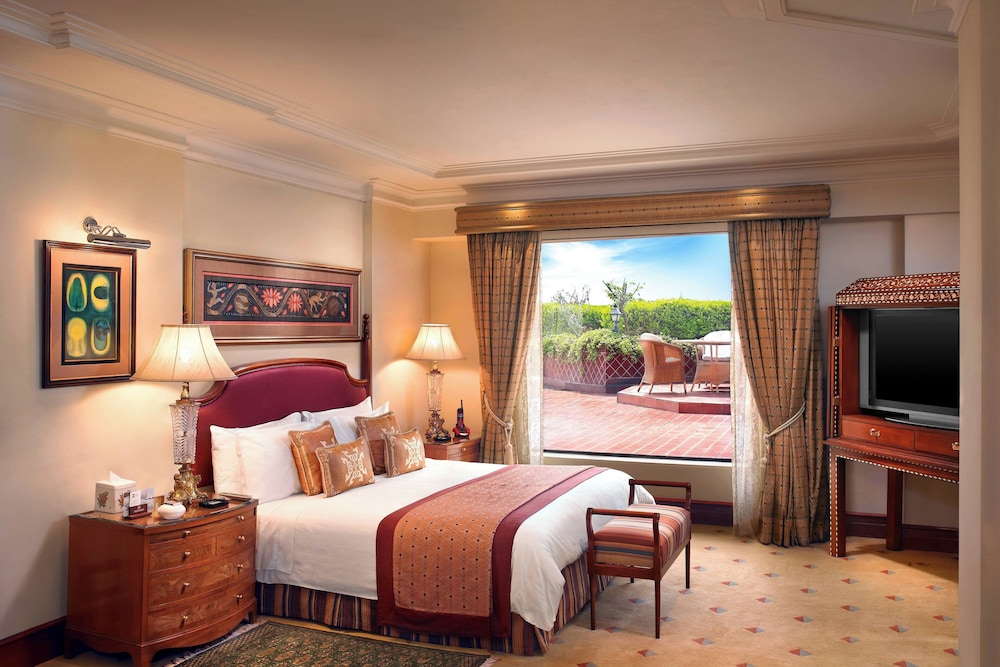
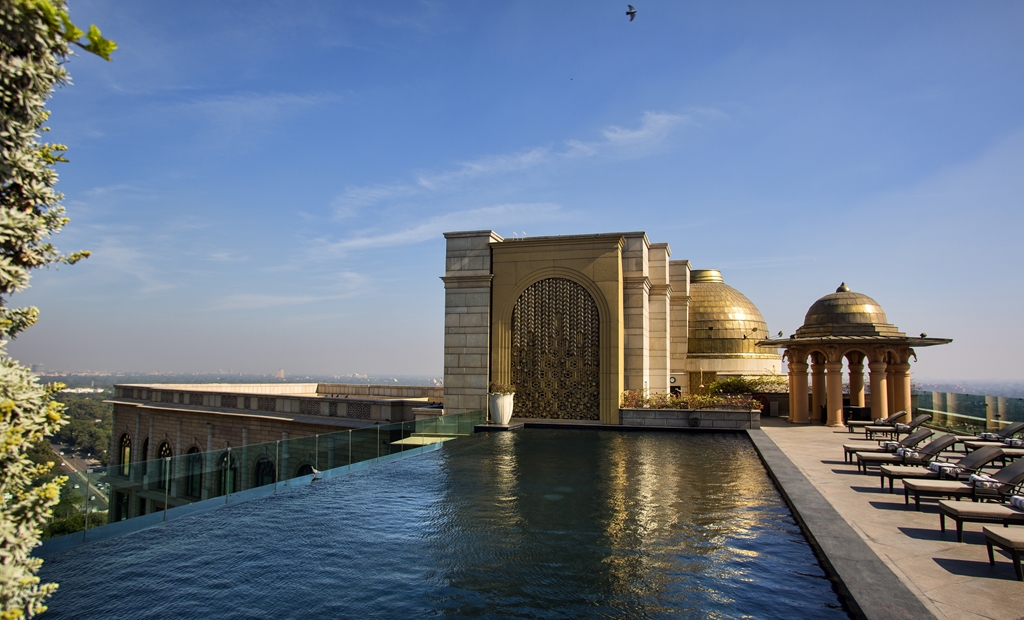
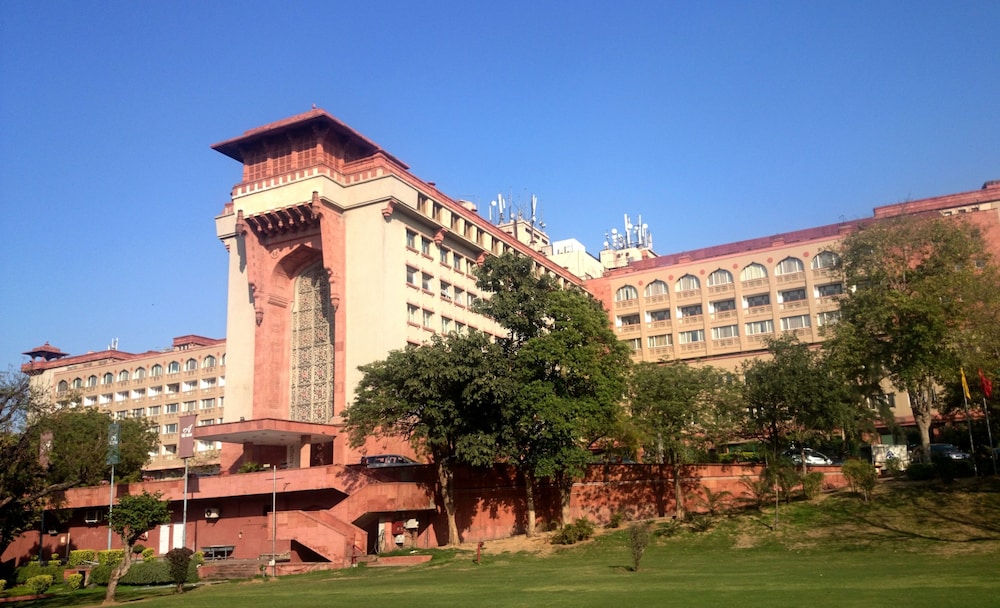
Sky View Guest House is a practical 3-star stay in Chanakyapuri, New Delhi — good value for exploring the area and its landmarks like Purana Qila (Old Fort).
The surrounding Chanakyapuri district is one of the most convenient parts of New Delhi to stay in, with restaurants, cafés and transport links close by.
Because pricing is set live by the hotel and its suppliers, the figure shown here is a recent snapshot; check the current rate for your exact dates before booking.
Key facts
Around Chanakyapuri
How many nights in New Delhi, and a first-timer itinerary that works
Four nights is the working minimum if the monuments are why you came, because Delhi’s archaeology is spread across three separate clusters 15–20 km apart. Day one is Shahjahanabad: Red Fort, Jama Masjid and the lanes off Chandni Chowk, remembering the Red Fort is closed on Mondays and the main bazaar street is pedestrianised through the day. Day two is Mehrauli, the oldest layer: Qutub Minar and the Iron Pillar, then Mehrauli Archaeological Park for Balban’s tomb, Jamali Kamali and Rajon ki Baoli, with Tughlaqabad’s 1321 ramparts if you still have legs. Day three is the Nizamuddin corridor: Humayun’s Tomb, Sunder Nursery’s 15 monuments across 90 acres, Purana Qila, then Lodhi Gardens and Safdarjung’s Tomb in the late afternoon light.
Add a fifth night for the National Museum on Janpath, Feroz Shah Kotla with its Ashokan pillar, and Agrasen ki Baoli off Hailey Road near Connaught Place. Six or seven nights lets you fold in Agra properly, ideally sleeping there one night so you get the Taj Mahal at sunrise and Fatehpur Sikri without rushing, or Jaipur for Amber Fort and Jantar Mantar. Ten nights covers the full Delhi–Agra–Jaipur triangle with a night at Neemrana, 122 km down NH-48, on the way back. Keep your Delhi hotel booked through the day trips if you can; a second check-in in Karol Bagh or Hauz Khas costs more in time than the two nights of room rate you save.
What hotels actually cost in New Delhi, by standard
Budget in Delhi means ₹700–1,800 a night, which in Paharganj or Mahipalpur buys a small double with an air conditioner of uncertain vintage, a bucket-shower bathroom and a lift that may or may not run. Mid-range is ₹2,500–6,000 and is where Delhi is genuinely good value: at ₹4,000 in Karol Bagh, Defence Colony, Greater Kailash or Hauz Khas you get a proper double, reliable hot water, working air conditioning and usually breakfast. Upper-tier business hotels in Aerocity, Nehru Place, Dwarka and Gurugram sit at ₹8,000–15,000 with pools and airport shuttles. The top end is Chanakyapuri and Lutyens Delhi, ₹18,000–40,000 for the palace hotels, and out at the extreme a Taj-view room in Agra can pass ₹45,000.
Two things move those numbers. GST is added on top and is not always shown in the headline rate: rooms up to ₹7,500 a night sit in a lower slab, anything above ₹7,500 is taxed at 18 per cent, so a ₹7,400 quote and a ₹7,900 quote are closer than they look at the till. The spikes are predictable and worth avoiding: the last week of December, the trade fair fortnight of 14–27 November at Pragati Maidan, the days around Republic Day on 26 January, and the November-to-February wedding season, when banquet-heavy areas like Karol Bagh, Rohini and Greater Kailash sell out and charge for it. Conversely, May, June and August are 30–40 per cent cheaper across every category, including the Chanakyapuri properties that never discount in winter.
The Delhi booking traps nobody warns you about
The oldest one still runs outside New Delhi Railway Station and in Paharganj: a driver or a helpful stranger tells you your hotel has closed, burned down or been booked out, and offers to take you to an alternative or to a 'government tourist office' near Connaught Place that is nothing of the sort. Have the hotel’s phone number, call it, and refuse the detour. Two smaller ones catch people out: many Indian hotels run a 24-hour clock rather than a noon checkout, so a 21:00 check-in means a 21:00 checkout, which is either a gift or a nasty surprise depending on your flight. And foreign nationals must be registered on Form C, which a fair number of the cheapest Paharganj and Karol Bagh guesthouses simply are not set up to do, so confirm before you pay.
The area people wrongly skip is south Delhi. Visitors book Connaught Place or Paharganj because that is where the guidebook maps centre, then spend two hours a day in traffic getting to the Qutub Minar, Mehrauli Archaeological Park and Hauz Khas, all of which are 15–20 km south. A room in Saket, Hauz Khas or Greater Kailash at ₹3,500–6,000 puts you inside the oldest archaeological belt in the city and still 25 minutes from Rajiv Chowk on the Yellow Line. The season nobody expects is late January and early February fog, which can hold visibility below 100 metres until mid-morning and quietly wrecks a sunrise plan at Humayun’s Tomb or a 06:00 departure for Agra; build a spare morning into any four-night winter trip.